COP31 in Antalya: Global Leaders Push for Electrification Amid Climate Crisis and Funding Gaps
The 31st UN Climate Summit has opened in Turkey, focusing on a global shift toward electricity to cut emissions and reduce energy costs.
 🌍World
Photo: DW (EN)
Key points
- COP31 aims to increase global electricity consumption to 35% by 2035.
- Accelerated electrification could save importing countries $400 billion in energy bills.
- Major donors like Germany and the US are facing criticism for cutting climate aid budgets.
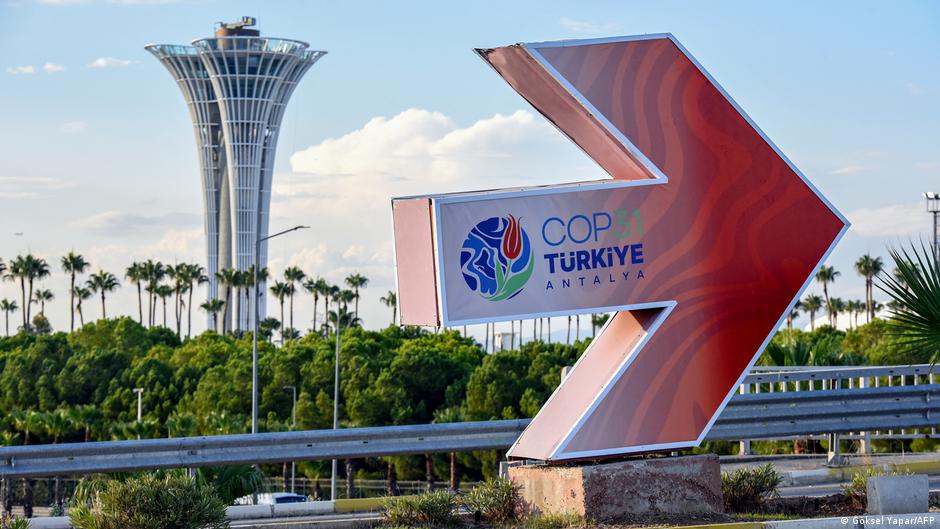
The 31st UN Climate Change Conference (COP31) has convened in the Mediterranean city of Antalya, Turkey, running from November 9 to 20. With Turkey as the official host and Australia leading the negotiations, delegates from nearly every nation are attempting to navigate a path through the escalating climate crisis. The summit follows a summer marked by record heatwaves in Europe and catastrophic floods in Nepal and Tibet.
Economic Incentives for a Green Transition
A primary objective of the Antalya talks is to boost electricity's share of global energy consumption to 35% by 2035, up from approximately 20% today. According to the International Energy Agency, accelerating this transition could save fuel-importing nations over $400 billion by 2035. German Environment Minister Carsten Schneider stated that a global phase-out of fossil fuels represents a significant opportunity for countries to bolster their economies while reducing dependence on energy imports.
Diplomatic Hurdles and Financial Shortfalls
Despite the progress made since the 2015 Paris Agreement, the UN warns that limiting global warming to 1.5 degrees Celsius is no longer feasible. The requirement for unanimous decisions at COP summits remains a major obstacle, as individual states can veto sweeping resolutions. Oil-producing nations, such as Saudi Arabia, continue to oppose phase-out plans, while China maintains its stance against external interference in national energy policy.
"The level of financial support for developing countries today is far from what's needed," said Jan Kowalzig, a climate expert at Oxfam Germany.
Financing remains a contentious issue. While industrialized nations agreed in Baku to mobilize $300 billion annually by 2035, actual contributions are faltering. Germany, for instance, reduced its international climate financing from €6.1 billion in 2024 to €4.7 billion in its 2025 budget, a move that experts warn could erode diplomatic trust with the Global South.
Source DW (EN) — dw.com/en/as-cop31-antalya-kicks-off-can-world-move-beyond-big-prom… ↗
Read next
 📈Business
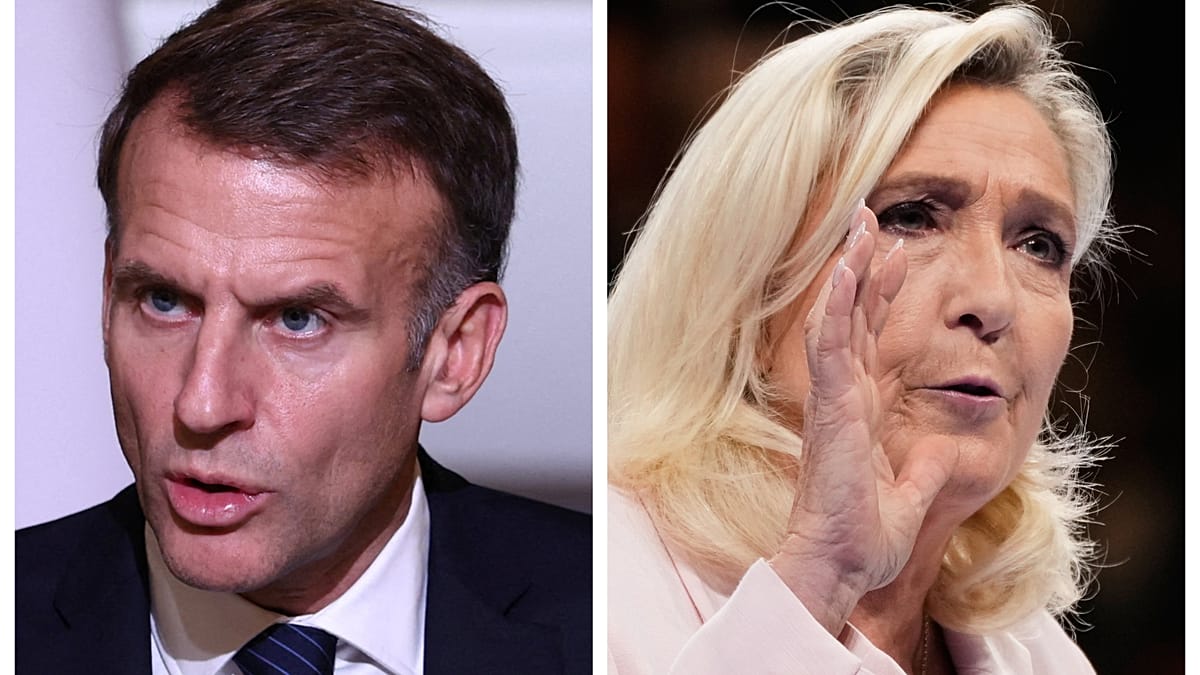
EU Budget Row: Macron Accuses Le Pen of Arrogance Amid Multiannual Funding Clash
Discussions over the European Union's next multiannual budget have sparked a fierce political showdown between French President Emmanuel Macron and far-right leader Marin…
 📈Business
Trump Administration Pressures Intel and Nvidia, Sparking Concerns Over State Control
Newly unsealed court documents reveal aggressive government pressure on Intel and Nvidia, shifting tech policy toward direct state stakes.
 🚀Space
Ukraine braces for another difficult winter amid ongoing attacks on energy infrastructure
Ukrainians are preparing for a harsh winter as continuous strikes on energy facilities and rising food prices strain households.
 🛡️Cyber
Russia’s hybrid war on Europe is evolving but failing to deter Ukraine support, IISS report says
A report by the IISS highlights an increase in Russian sabotage and infrastructure attacks across Europe, noting however that the strategy has failed to weaken support fo…
 🔬Science
Biomolecular analysis reveals centuries-old embalming recipes for Egyptian crocodile mummies
A study of ancient Egyptian crocodile mummies shows that embalmers used the exact same beeswax and pine resin recipe centuries apart at a single site.
 🛡️Cyber
Cybersecurity Weekly Roundup: Ransomware Fraud, ChatGPT Sites Leaks, and New Defenses
The latest threat intelligence roundup covers charges against a recovery firm co-founder, web app exposure risks, software patches, and VirusTotal's new detection feature…