Backward Compatibility Strategies: Why Xbox Outperforms PlayStation
Microsoft maintains a significant edge in backward compatibility, while Sony prioritizes new hardware innovations at the expense of legacy game support.
 💻Tech
Photo: Engadget
Key points
- Xbox supports thousands of legacy titles across three generations
- Sony's PS5 backward compatibility is largely limited to PS4
- Rising hardware costs may affect the pricing of next-gen consoles
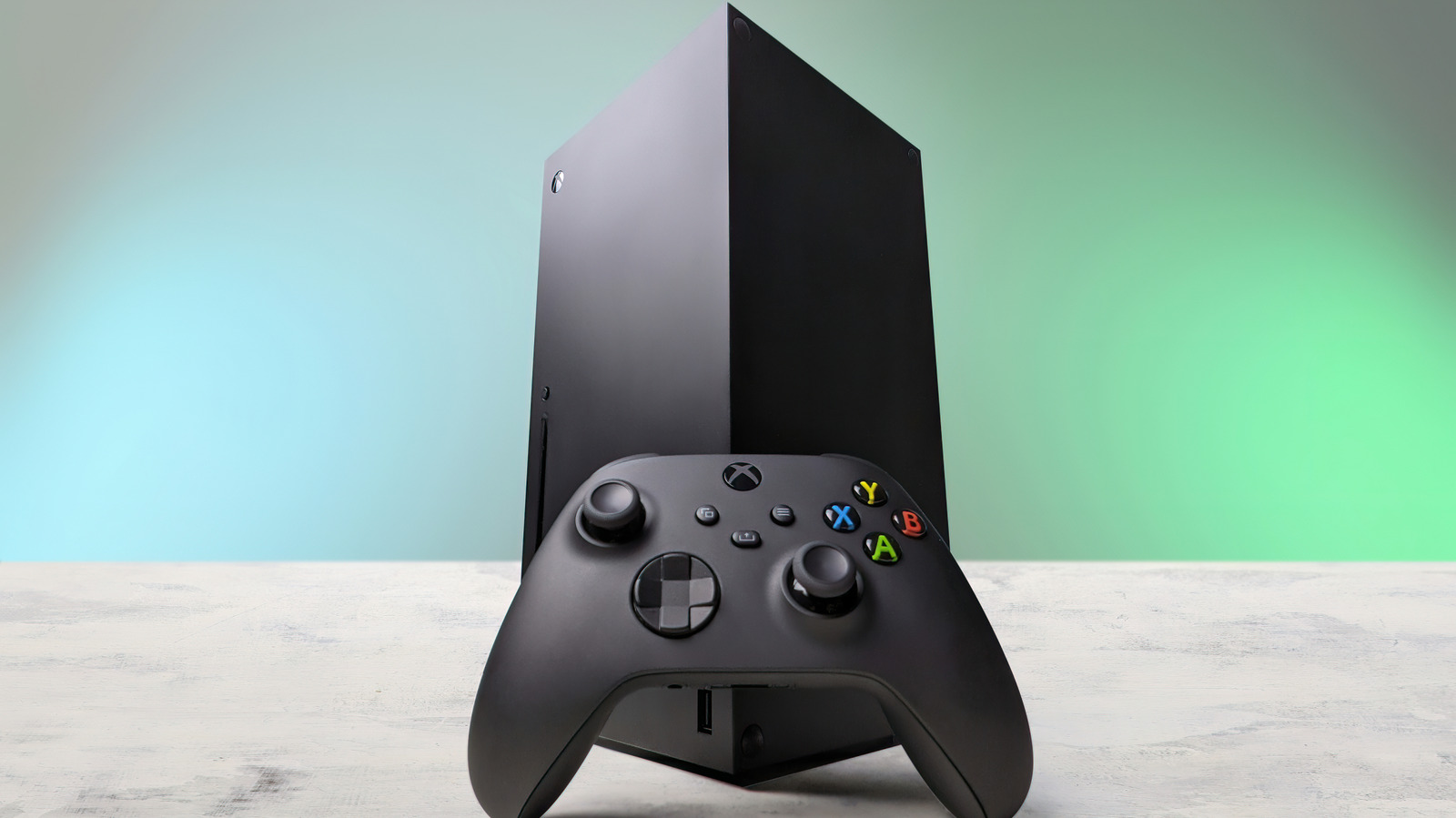
The console market is currently defined by two distinct philosophies regarding game preservation. While the Xbox Series X and S trail the PlayStation 5 in global sales, they offer a vastly superior experience for players looking to revisit older titles. Microsoft provides native support for thousands of games from the original Xbox, Xbox 360, and Xbox One eras, often without requiring a subscription service.
In contrast, Sony focused its development for the PS5 on new technologies like SSD storage and DualSense controllers, which led to the decision to limit backward compatibility primarily to PS4 titles. As former Sony Interactive Entertainment CEO Jim Ryan explained, this strategic shift prioritized modern features over legacy support. Consequently, access to PS1, PS2, and PS3 classics on the PS5 is restricted to the PlayStation Plus Premium catalog or individual digital purchases.
The shift toward PC-like architectures using AMD components suggests that future consoles will likely retain compatibility with current libraries. However, as memory and storage costs continue to rise, the next generation of consoles may see significant price hikes. This potential increase in hardware costs could force manufacturers to reconsider how they provide value to users, as the price gap between consoles and PCs continues to narrow.
Source Engadget — engadget.com/2305049/playstation-cant-hold-candle-to-xbox-backwards… ↗
Read next
 📈Business
Trump Administration Pressures Intel and Nvidia, Sparking Concerns Over State Control
Newly unsealed court documents reveal aggressive government pressure on Intel and Nvidia, shifting tech policy toward direct state stakes.
 🚀Space
Ukraine braces for another difficult winter amid ongoing attacks on energy infrastructure
Ukrainians are preparing for a harsh winter as continuous strikes on energy facilities and rising food prices strain households.
 🛡️Cyber
Russia’s hybrid war on Europe is evolving but failing to deter Ukraine support, IISS report says
A report by the IISS highlights an increase in Russian sabotage and infrastructure attacks across Europe, noting however that the strategy has failed to weaken support fo…
 🔬Science
Biomolecular analysis reveals centuries-old embalming recipes for Egyptian crocodile mummies
A study of ancient Egyptian crocodile mummies shows that embalmers used the exact same beeswax and pine resin recipe centuries apart at a single site.
 🛡️Cyber
Cybersecurity Weekly Roundup: Ransomware Fraud, ChatGPT Sites Leaks, and New Defenses
The latest threat intelligence roundup covers charges against a recovery firm co-founder, web app exposure risks, software patches, and VirusTotal's new detection feature…
 🌍World
NATO Fighter Jets Scrambled After Drone Enters Latvian Airspace
Latvian armed forces deployed Alliance aircraft and interceptors following a brief border breach by an unidentified unmanned aerial vehicle.