Raspberry Pi Connect: A New Way to Access Devices Remotely Without Port Forwarding
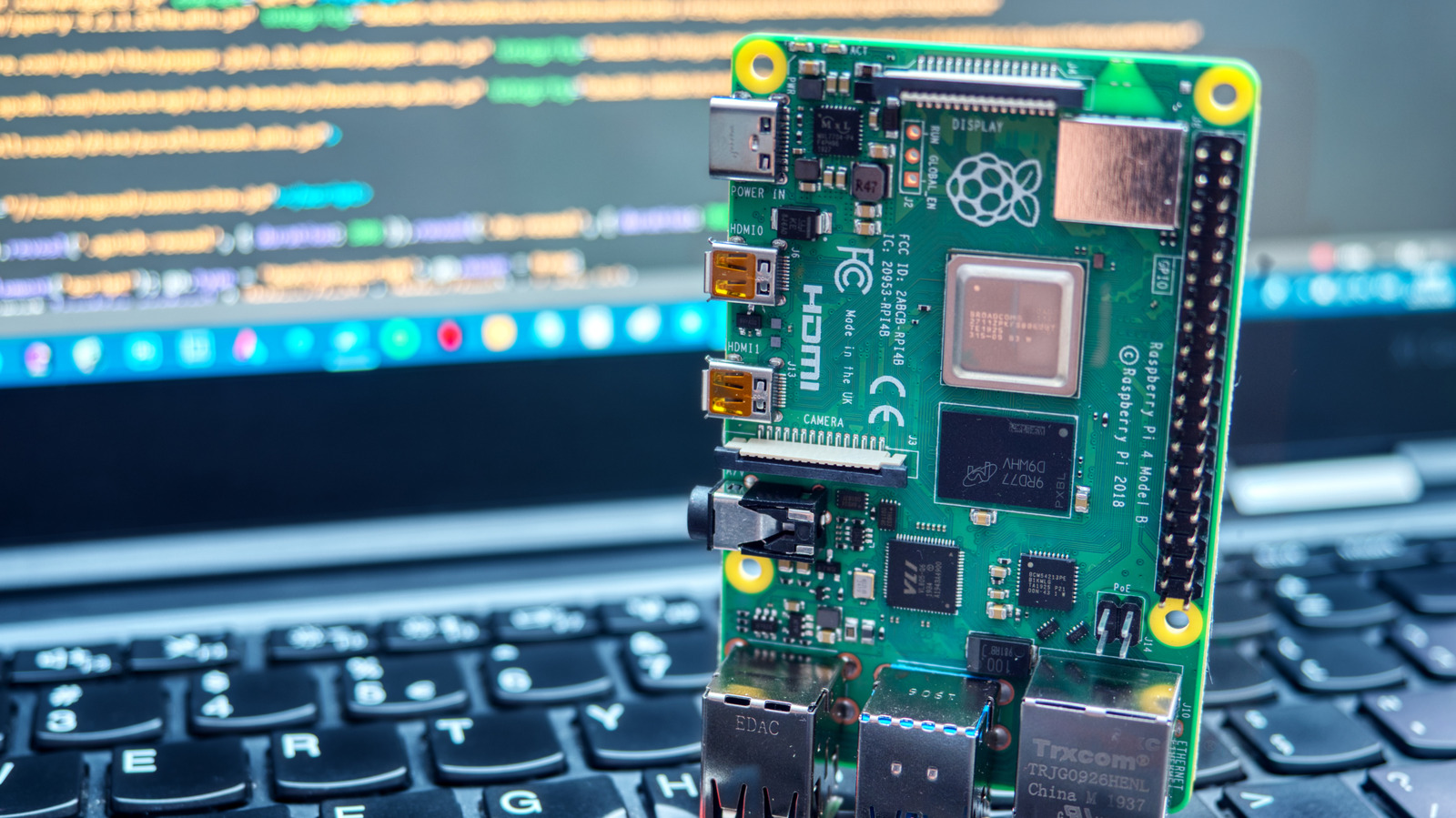
Raspberry Pi has launched an official tool that simplifies remote access to its devices using secure WebRTC technology.
 💻Tech
Photo: Engadget
Key points
- WebRTC-based secure remote access
- Browser-based terminal and desktop sharing
- Eliminates need for port forwarding
Remote access to Raspberry Pi units has historically been a hurdle for many users, often necessitating complex port forwarding or SSH tunneling. These traditional methods not only presented a steep learning curve but also introduced significant security risks by exposing devices directly to the internet. The newly released Raspberry Pi Connect aims to solve these issues by providing a streamlined, secure way to manage devices remotely without modifying network configurations.
How the Technology Works
Raspberry Pi Connect leverages WebRTC to establish peer-to-peer connections through secure tunnels. This approach allows the device to bypass strict firewalls and NAT restrictions automatically. The service is designed to work seamlessly with Raspberry Pi OS (Bookworm or later), requiring only a registered Raspberry Pi account to bridge the connection between the browser and the hardware.
Core Features
The platform offers two primary methods for remote interaction:
- Remote Shell: A browser-based terminal for command-line management.
- Screen Sharing: A remote desktop experience running through a Wayland session.
While the remote shell is lightweight and suitable for most tasks, the screen-sharing feature requires an active desktop session and is not compatible with Pi OS Lite or X11. Setup is straightforward, involving a simple terminal command to enable the service and linking the device via the official Raspberry Pi web portal.
Source Engadget — engadget.com/2319090/free-raspberry-pi-tool-access-remotely/ ↗
Read next
 📈Business
Trump Administration Pressures Intel and Nvidia, Sparking Concerns Over State Control
Newly unsealed court documents reveal aggressive government pressure on Intel and Nvidia, shifting tech policy toward direct state stakes.
 🚀Space
Ukraine braces for another difficult winter amid ongoing attacks on energy infrastructure
Ukrainians are preparing for a harsh winter as continuous strikes on energy facilities and rising food prices strain households.
 🛡️Cyber
Russia’s hybrid war on Europe is evolving but failing to deter Ukraine support, IISS report says
A report by the IISS highlights an increase in Russian sabotage and infrastructure attacks across Europe, noting however that the strategy has failed to weaken support fo…
 🔬Science
Biomolecular analysis reveals centuries-old embalming recipes for Egyptian crocodile mummies
A study of ancient Egyptian crocodile mummies shows that embalmers used the exact same beeswax and pine resin recipe centuries apart at a single site.
 🛡️Cyber
Cybersecurity Weekly Roundup: Ransomware Fraud, ChatGPT Sites Leaks, and New Defenses
The latest threat intelligence roundup covers charges against a recovery firm co-founder, web app exposure risks, software patches, and VirusTotal's new detection feature…
 🌍World
NATO Fighter Jets Scrambled After Drone Enters Latvian Airspace
Latvian armed forces deployed Alliance aircraft and interceptors following a brief border breach by an unidentified unmanned aerial vehicle.