iCloud Private Relay vs. VPN: A Security Comparison for Apple Users
While Apple's iCloud Private Relay offers basic privacy for Safari users, it lacks the comprehensive encryption and geo-spoofing capabilities of a dedicated VPN.
 💻Tech
Photo: Engadget
Key points
- Private Relay is limited to Safari
- VPNs provide full-system traffic encryption
- Free VPNs pose significant privacy risks
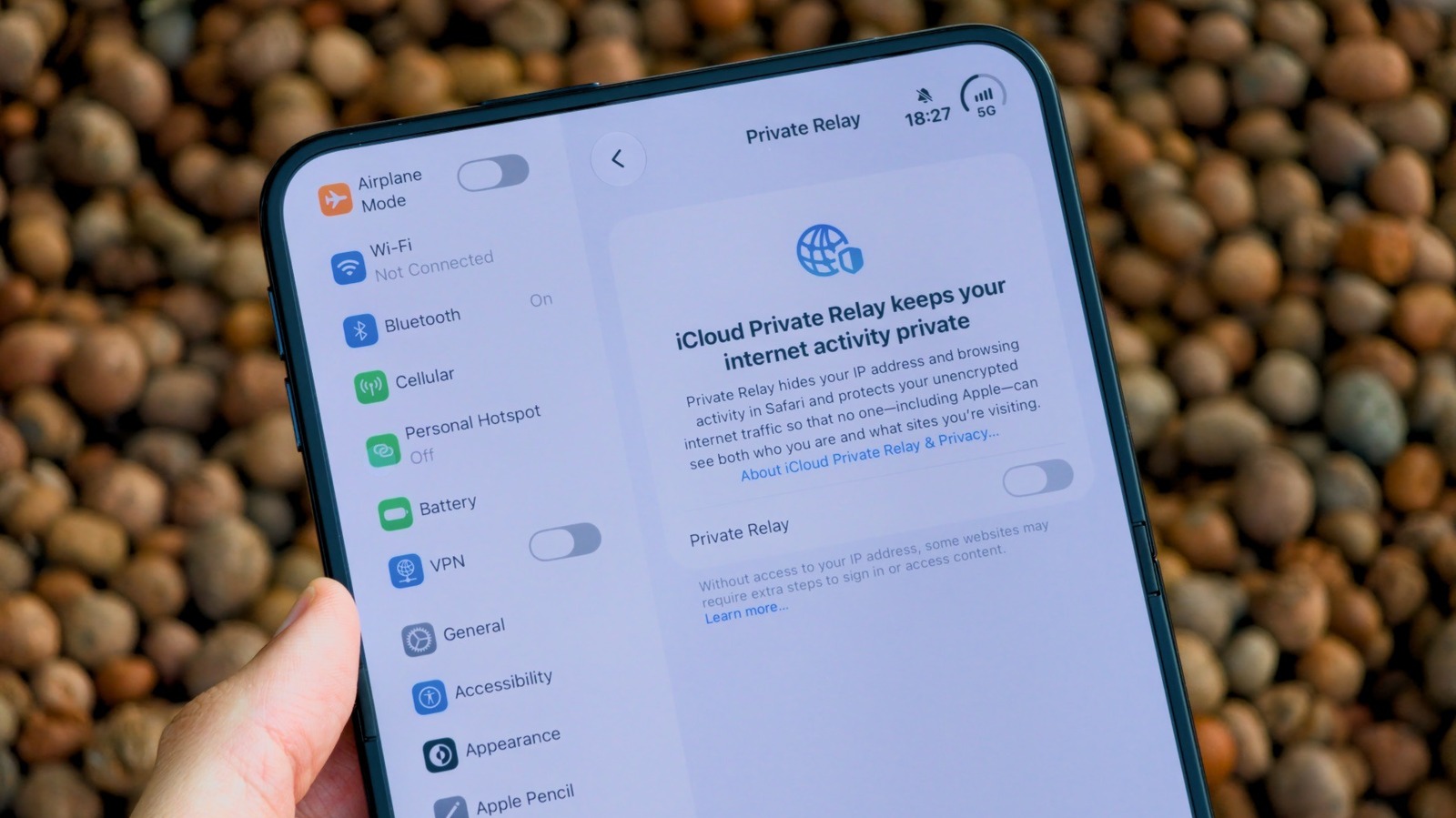
Apple's iCloud Private Relay, a feature included with iCloud+ subscriptions, is frequently compared to VPNs, yet the two technologies serve different purposes. Private Relay functions as a two-layer proxy system: Apple handles the user's identity while a partner, such as Cloudflare or Akamai, manages the destination request. This prevents any single entity from having a complete view of a user's browsing activity.
Functional Limitations and Security
The primary constraint of Private Relay is its scope: it operates exclusively within the Safari browser and only for unencrypted HTTP traffic. Consequently, browsing data from other applications or browsers remains exposed. Furthermore, it does not allow users to select a specific region to bypass geo-blocking, nor is it available in countries with strict internet regulations, such as China or Russia.
- Restricted to Safari and specific HTTP traffic.
- No capability to bypass geo-fenced content.
- Unavailable in several global regions.
- Potential IP leakage when using passkeys.
Conversely, a standard VPN encrypts all traffic leaving a device, offering broader protection and the ability to mask location. However, this model requires absolute trust in the VPN provider, as all traffic is routed through their infrastructure. Security experts warn against using free, obscure VPN services, which may engage in data harvesting or malware distribution. Trusted services like ProtonVPN or ExpressVPN remain the industry standard for those prioritizing privacy.
Source Engadget — engadget.com/2318772/how-does-icloud-private-relay-security-compare… ↗
Read next
 📈Business
Trump Administration Pressures Intel and Nvidia, Sparking Concerns Over State Control
Newly unsealed court documents reveal aggressive government pressure on Intel and Nvidia, shifting tech policy toward direct state stakes.
 🚀Space
Ukraine braces for another difficult winter amid ongoing attacks on energy infrastructure
Ukrainians are preparing for a harsh winter as continuous strikes on energy facilities and rising food prices strain households.
 🛡️Cyber
Russia’s hybrid war on Europe is evolving but failing to deter Ukraine support, IISS report says
A report by the IISS highlights an increase in Russian sabotage and infrastructure attacks across Europe, noting however that the strategy has failed to weaken support fo…
 🔬Science
Biomolecular analysis reveals centuries-old embalming recipes for Egyptian crocodile mummies
A study of ancient Egyptian crocodile mummies shows that embalmers used the exact same beeswax and pine resin recipe centuries apart at a single site.
 🛡️Cyber
Cybersecurity Weekly Roundup: Ransomware Fraud, ChatGPT Sites Leaks, and New Defenses
The latest threat intelligence roundup covers charges against a recovery firm co-founder, web app exposure risks, software patches, and VirusTotal's new detection feature…
 🌍World
NATO Fighter Jets Scrambled After Drone Enters Latvian Airspace
Latvian armed forces deployed Alliance aircraft and interceptors following a brief border breach by an unidentified unmanned aerial vehicle.