FCC Approves Jamming Technology for US Prisons to Combat Contraband Phones
The FCC has authorized state and local prisons to deploy signal-jamming technology to block illicit cell phone use, despite concerns over potential interference with public communications.
 💻Tech
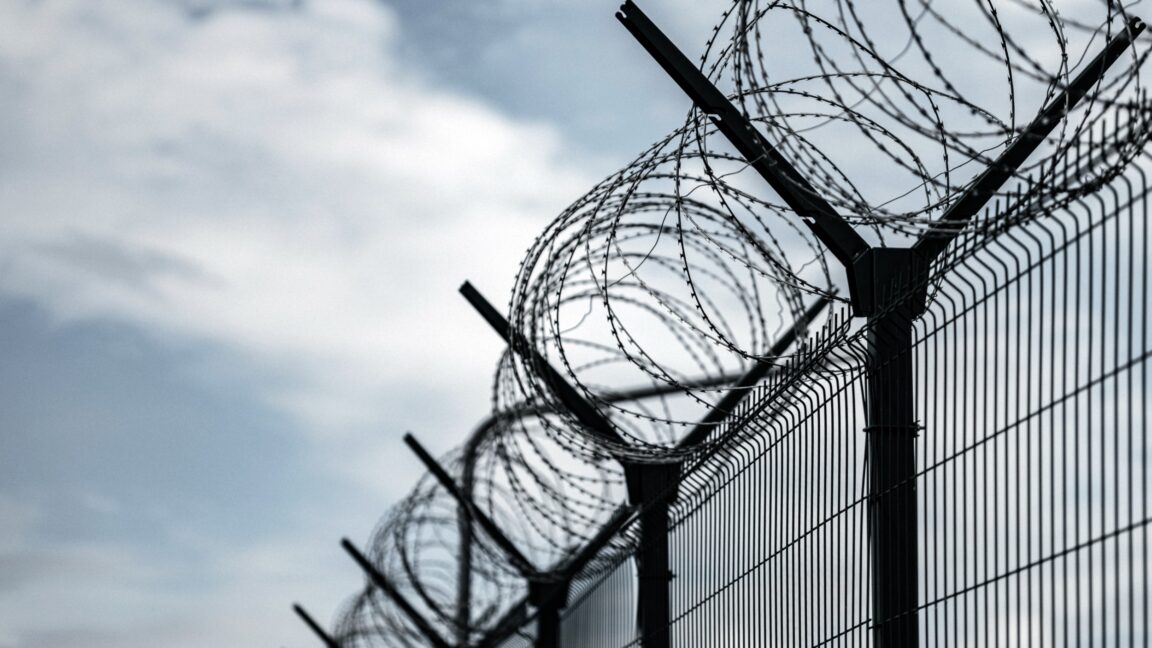
Photo: Ars Technica
Key points
- FCC authorizes prison signal jamming to combat contraband devices.
- Industry tests show significant interference with 911 and public networks.
- Advocates argue jamming limits transparency regarding prison abuses.
The Federal Communications Commission (FCC) has voted to allow state and local correctional facilities to utilize jamming technology to neutralize contraband cell phones. This initiative is designed to curb the widespread use of illicit devices by inmates, which officials state are frequently employed to orchestrate scams, drug trafficking, and violent activities from behind bars.
Accuracy Concerns and Regulatory Oversight
The decision follows significant pushback from the wireless industry. Testing conducted by the Virginia Tech Applied Research Corporation revealed that current jamming systems are both over- and under-inclusive. In trials, these systems failed to block a substantial percentage of target devices while simultaneously disrupting legitimate public safety communications, including 911 calls, up to two and a half miles away from the testing sites.
FCC Chairman Brendan Carr defended the order, asserting that facilities must demonstrate through rigorous testing that their jamming systems remain contained within prison walls before receiving authorization. However, advocacy groups, including the Freedom of the Press Foundation, argue that the move could stifle transparency. They emphasize that contraband phones are often the only means available for inmates to expose inhumane conditions and document abuses by prison staff.
Source Ars Technica — arstechnica.com/tech-policy/2026/11/prisons-get-ok-to-jam-contraband-ph… ↗
Read next
 🚀Space
Ukraine braces for another difficult winter amid ongoing attacks on energy infrastructure
Ukrainians are preparing for a harsh winter as continuous strikes on energy facilities and rising food prices strain households.
 🛡️Cyber
Russia’s hybrid war on Europe is evolving but failing to deter Ukraine support, IISS report says
A report by the IISS highlights an increase in Russian sabotage and infrastructure attacks across Europe, noting however that the strategy has failed to weaken support fo…
 🔬Science
Biomolecular analysis reveals centuries-old embalming recipes for Egyptian crocodile mummies
A study of ancient Egyptian crocodile mummies shows that embalmers used the exact same beeswax and pine resin recipe centuries apart at a single site.
 🛡️Cyber
Cybersecurity Weekly Roundup: Ransomware Fraud, ChatGPT Sites Leaks, and New Defenses
The latest threat intelligence roundup covers charges against a recovery firm co-founder, web app exposure risks, software patches, and VirusTotal's new detection feature…
 🌍World
NATO Fighter Jets Scrambled After Drone Enters Latvian Airspace
Latvian armed forces deployed Alliance aircraft and interceptors following a brief border breach by an unidentified unmanned aerial vehicle.
 🔬Science
Bacterial colonies turn themselves inside out when oxygen is scarce
An international research team discovered that Neisseria gonorrhoeae bacteria respond to oxygen depletion in the colony's center by reducing cell adhesion, triggering a p…