Using Your Phone as a Mobile Hotspot: Pros, Cons and Security Tips
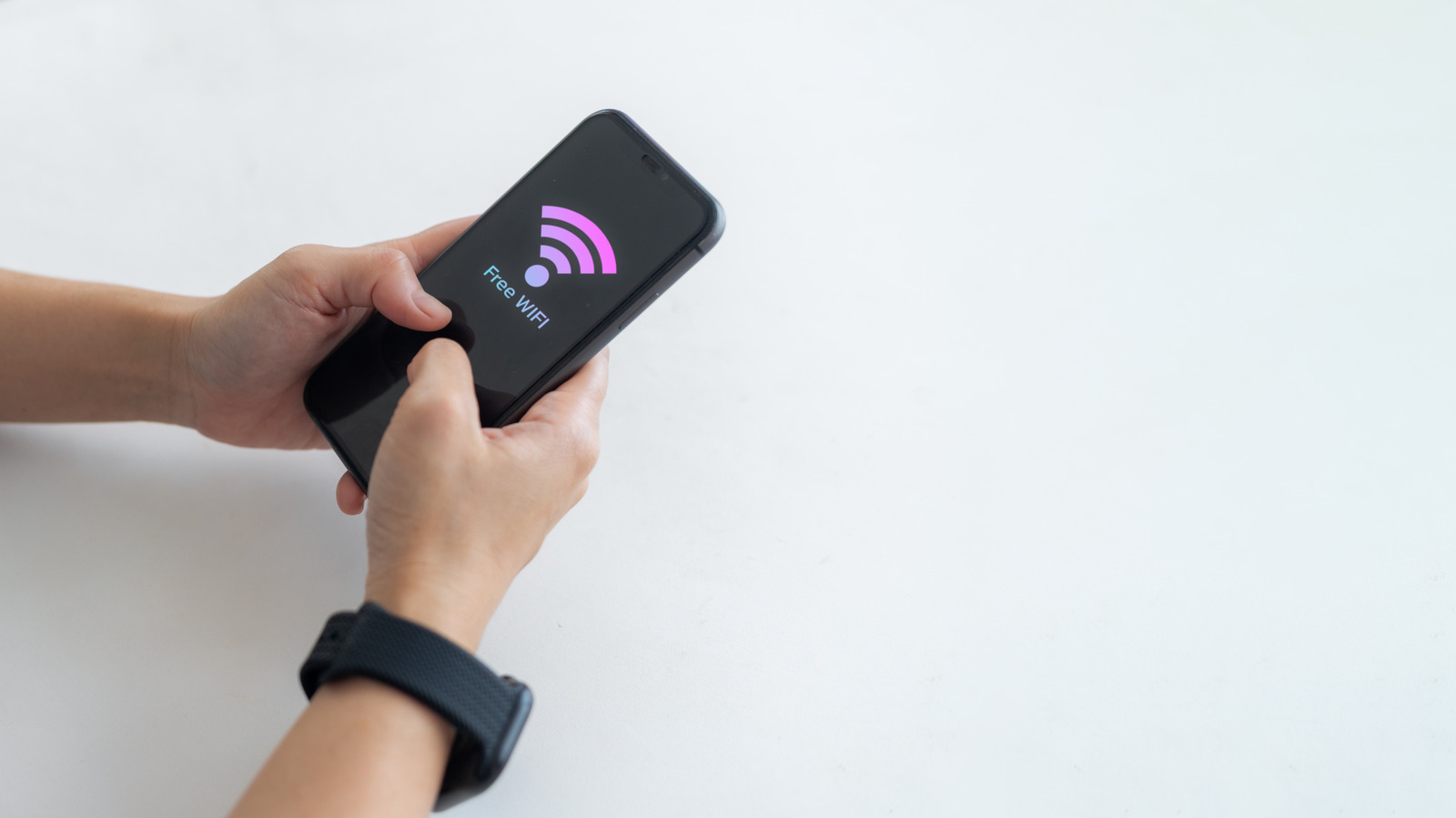
Turning your smartphone into a portable Wi-Fi hotspot is convenient for remote work, but it comes with battery drain and data plan limitations.
 💻Tech
Photo: Engadget
Key points
- Smartphones can easily share cellular data with laptops and other devices.
- Hotspots are more secure than open public Wi-Fi networks when properly password-protected.
- Drawbacks include faster battery depletion and potential carrier data throttling.
Using a smartphone as a mobile hotspot is a reliable way to get online when traditional Wi-Fi is unavailable. Whether labeled as Personal Hotspot on iPhones or Hotspot & Tethering on Android devices, this built-in feature lets users share their cellular connection with laptops, tablets, and other gadgets while on the go.
The Benefits of Phone Hotspots
The primary advantage is sheer convenience and cost efficiency. Users can skip purchasing a dedicated portable router, managing an extra data plan, or remembering to charge yet another gadget. Additionally, mobile hotspots offer superior security compared to questionable public Wi-Fi networks in coffee shops, as the owner retains complete control over who connects.
Drawbacks to Keep in Mind
- Battery Drain: Actively broadcasting a cellular connection places a heavy load on the phone's battery, causing it to deplete significantly faster.
- Data Limits: Intensive tasks like video streaming or conference calls can quickly burn through mobile carrier hotspot data caps.
- Slower Speeds: Sharing the connection with multiple devices simultaneously will reduce performance for everyone involved.
To maintain online safety, experts strongly advise setting up a secure password and utilizing modern WPA2 or WPA3 encryption protocols to prevent unauthorized access from nearby devices.
Source Engadget — engadget.com/2313946/pros-cons-using-phone-mobile-hotspot/ ↗
Read next
 📈Business
Trump Administration Pressures Intel and Nvidia, Sparking Concerns Over State Control
Newly unsealed court documents reveal aggressive government pressure on Intel and Nvidia, shifting tech policy toward direct state stakes.
 🚀Space
Ukraine braces for another difficult winter amid ongoing attacks on energy infrastructure
Ukrainians are preparing for a harsh winter as continuous strikes on energy facilities and rising food prices strain households.
 🛡️Cyber
Russia’s hybrid war on Europe is evolving but failing to deter Ukraine support, IISS report says
A report by the IISS highlights an increase in Russian sabotage and infrastructure attacks across Europe, noting however that the strategy has failed to weaken support fo…
 🔬Science
Biomolecular analysis reveals centuries-old embalming recipes for Egyptian crocodile mummies
A study of ancient Egyptian crocodile mummies shows that embalmers used the exact same beeswax and pine resin recipe centuries apart at a single site.
 🛡️Cyber
Cybersecurity Weekly Roundup: Ransomware Fraud, ChatGPT Sites Leaks, and New Defenses
The latest threat intelligence roundup covers charges against a recovery firm co-founder, web app exposure risks, software patches, and VirusTotal's new detection feature…
 🌍World
NATO Fighter Jets Scrambled After Drone Enters Latvian Airspace
Latvian armed forces deployed Alliance aircraft and interceptors following a brief border breach by an unidentified unmanned aerial vehicle.