Why Smartphone Batteries Unexpectedly Drop and How to Fix It
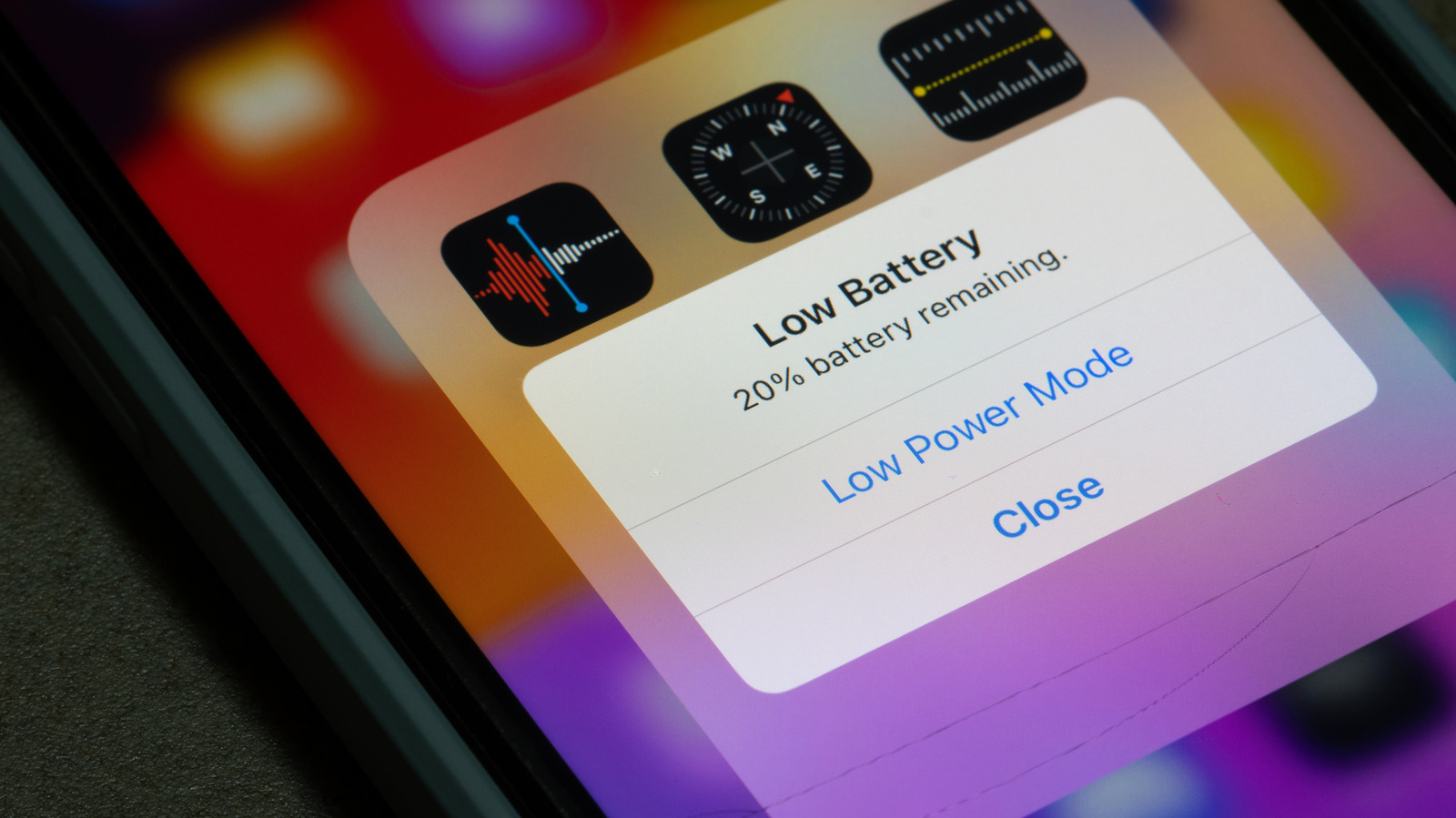
Sudden drops in phone battery status stem from chemical aging of lithium-ion cells or temporary indexing following software updates. Integrated diagnostic tools in modern operating systems assist users in identifying whether an app or hardware degradation is responsible.
 💻Tech
Photo: Engadget
Key points
- Battery calculation updates during heavy tasks cause sudden percentage drops on aged lithium-ion cells.
- Temperature levels outside 0° to 35° C significantly increase energy consumption and drain rate.
- Diagnostic tools on iOS, Samsung Galaxy, and Pixel 6+ help identify background app usage and overall battery health.
Smartphone users frequently observe sudden drops in battery percentage even when their devices are not running demanding applications. While such behavior can be frustrating, it does not automatically signal complete hardware failure, as it often results from a combination of chemical battery degradation and routine background software processes in iOS and Android.
Hardware Degradation and Temperature Sensitivity
Because smartphones estimate remaining charge based on voltage and current rather than direct measurement, an aging lithium-ion battery can cause calculation discrepancies. When demanding features like the camera or GPS trigger a sudden power request, the system recalculates available power, causing the battery indicator to jump downward instantly. Environmental conditions also play a critical role, as mobile devices are calibrated to operate between 0° and 35° C (32° to 95° F). Operating outside this thermal range accelerates drain, though placing a warm device in a refrigerator should be avoided due to the risk of internal moisture condensation.
Software Indexing and Built-In Diagnostics
Software dynamics can similarly cause temporary power spikes. Following an iOS or Android system update, devices conduct background optimizations and file indexing that briefly increase power consumption before returning to normal levels. Additionally, background applications continuously tracking location can drain power rapidly. Modern smartphones provide diagnostic tools to help manage battery health—such as the Battery Diagnostics menu on Google Pixel 6 and newer models, Samsung Galaxy settings, and iPhone battery health indicators. Apple notes that recent iPhone models are designed to retain 80 percent of their original capacity through up to 1,000 charge cycles, below which a battery replacement is advised.
Source Engadget — engadget.com/2313940/phone-battery-percentage-suddenly-drops/ ↗
Read next
 📈Business
Trump Administration Pressures Intel and Nvidia, Sparking Concerns Over State Control
Newly unsealed court documents reveal aggressive government pressure on Intel and Nvidia, shifting tech policy toward direct state stakes.
 🚀Space
Ukraine braces for another difficult winter amid ongoing attacks on energy infrastructure
Ukrainians are preparing for a harsh winter as continuous strikes on energy facilities and rising food prices strain households.
 🛡️Cyber
Russia’s hybrid war on Europe is evolving but failing to deter Ukraine support, IISS report says
A report by the IISS highlights an increase in Russian sabotage and infrastructure attacks across Europe, noting however that the strategy has failed to weaken support fo…
 🔬Science
Biomolecular analysis reveals centuries-old embalming recipes for Egyptian crocodile mummies
A study of ancient Egyptian crocodile mummies shows that embalmers used the exact same beeswax and pine resin recipe centuries apart at a single site.
 🛡️Cyber
Cybersecurity Weekly Roundup: Ransomware Fraud, ChatGPT Sites Leaks, and New Defenses
The latest threat intelligence roundup covers charges against a recovery firm co-founder, web app exposure risks, software patches, and VirusTotal's new detection feature…
 🌍World
NATO Fighter Jets Scrambled After Drone Enters Latvian Airspace
Latvian armed forces deployed Alliance aircraft and interceptors following a brief border breach by an unidentified unmanned aerial vehicle.