Dedicated vs. Integrated GPU: When is a Graphics Card Worth Buying?
An analysis of modern integrated graphics capabilities helps determine whether upgrading to a discrete GPU is necessary for your computer build.
 💻Tech
Photo: Engadget
Key points
- Modern iGPUs easily handle web browsing, media streaming, and light gaming.
- Discrete GPUs are essential for heavy video editing, local LLMs, and high-end gaming.
- iGPU performance depends heavily on system RAM speed and configuration.
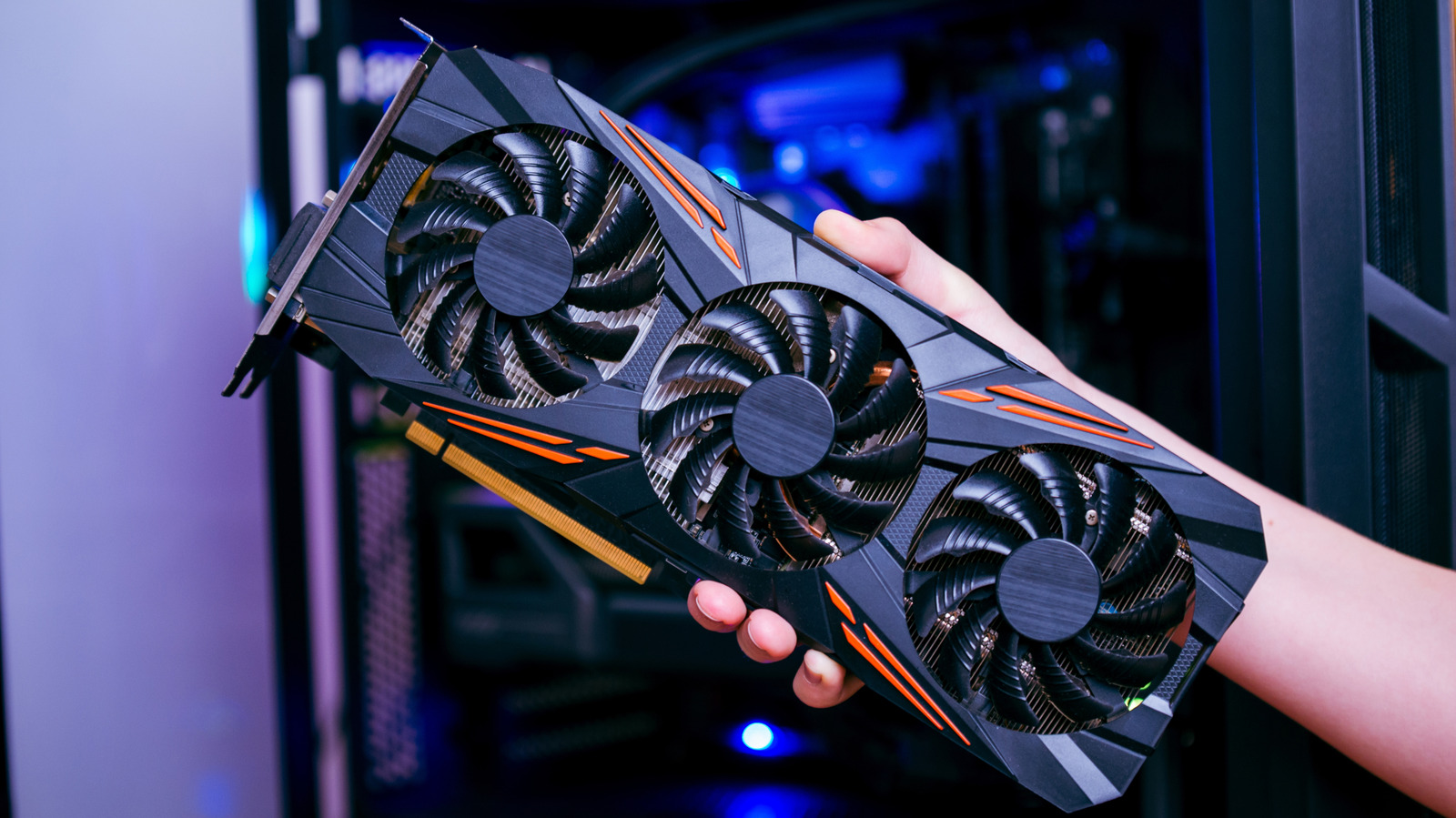
Discrete graphics cards remain the most expensive component in high-performance desktop builds. Beyond rendering displays, dedicated GPUs accelerate demanding workloads such as high-resolution video editing, running local large language models, and high-fidelity gaming. However, purchasing a standalone card also brings additional hardware considerations, including power supply requirements and physical clearance.
Fortunately, modern integrated graphics processors have evolved significantly. For everyday computing tasks like web browsing, media streaming, and casual gaming, a capable iGPU can easily handle the workload without requiring extra hardware investments. For instance, processors featuring advanced integrated graphics offer strong performance compared to basic display-only chips found in higher-end CPU architectures.
The fundamental hardware difference lies in memory architecture. While discrete cards utilize dedicated VRAM with massive bandwidth to prevent bottlenecks, iGPUs share system memory. Consequently, integrated graphics performance heavily relies on RAM speed and configuration, as demonstrated by benchmark tests showing performance drops with slower memory modules.
Deciding on a build ultimately depends on individual computing needs. If workloads expand to include 3D rendering, heavy video editing, or advanced gaming, adding a discrete GPU is straightforward. Desktop modularity ensures users can upgrade their systems over time, provided their power supply and motherboard support the new component.
The continuous improvement of integrated graphics alters the entry-level hardware market. As iGPUs become more competent, casual users save money, leaving discrete GPUs tailored primarily for enthusiasts, gamers, and professionals dealing with heavy computational workloads.
Key considerations before purchasing include evaluating current software demands, checking RAM configuration for iGPU setups, and verifying power supply limits for future discrete upgrades.
Source Engadget — engadget.com/2312688/when-dedicated-graphics-card-worth-it/ ↗
Read next
 📈Business
Trump Administration Pressures Intel and Nvidia, Sparking Concerns Over State Control
Newly unsealed court documents reveal aggressive government pressure on Intel and Nvidia, shifting tech policy toward direct state stakes.
 🚀Space
Ukraine braces for another difficult winter amid ongoing attacks on energy infrastructure
Ukrainians are preparing for a harsh winter as continuous strikes on energy facilities and rising food prices strain households.
 🛡️Cyber
Russia’s hybrid war on Europe is evolving but failing to deter Ukraine support, IISS report says
A report by the IISS highlights an increase in Russian sabotage and infrastructure attacks across Europe, noting however that the strategy has failed to weaken support fo…
 🔬Science
Biomolecular analysis reveals centuries-old embalming recipes for Egyptian crocodile mummies
A study of ancient Egyptian crocodile mummies shows that embalmers used the exact same beeswax and pine resin recipe centuries apart at a single site.
 🛡️Cyber
Cybersecurity Weekly Roundup: Ransomware Fraud, ChatGPT Sites Leaks, and New Defenses
The latest threat intelligence roundup covers charges against a recovery firm co-founder, web app exposure risks, software patches, and VirusTotal's new detection feature…
 🌍World
NATO Fighter Jets Scrambled After Drone Enters Latvian Airspace
Latvian armed forces deployed Alliance aircraft and interceptors following a brief border breach by an unidentified unmanned aerial vehicle.