Are Smart Glasses Ready to Replace Computer Monitors? Early Testers Share Mixed Results
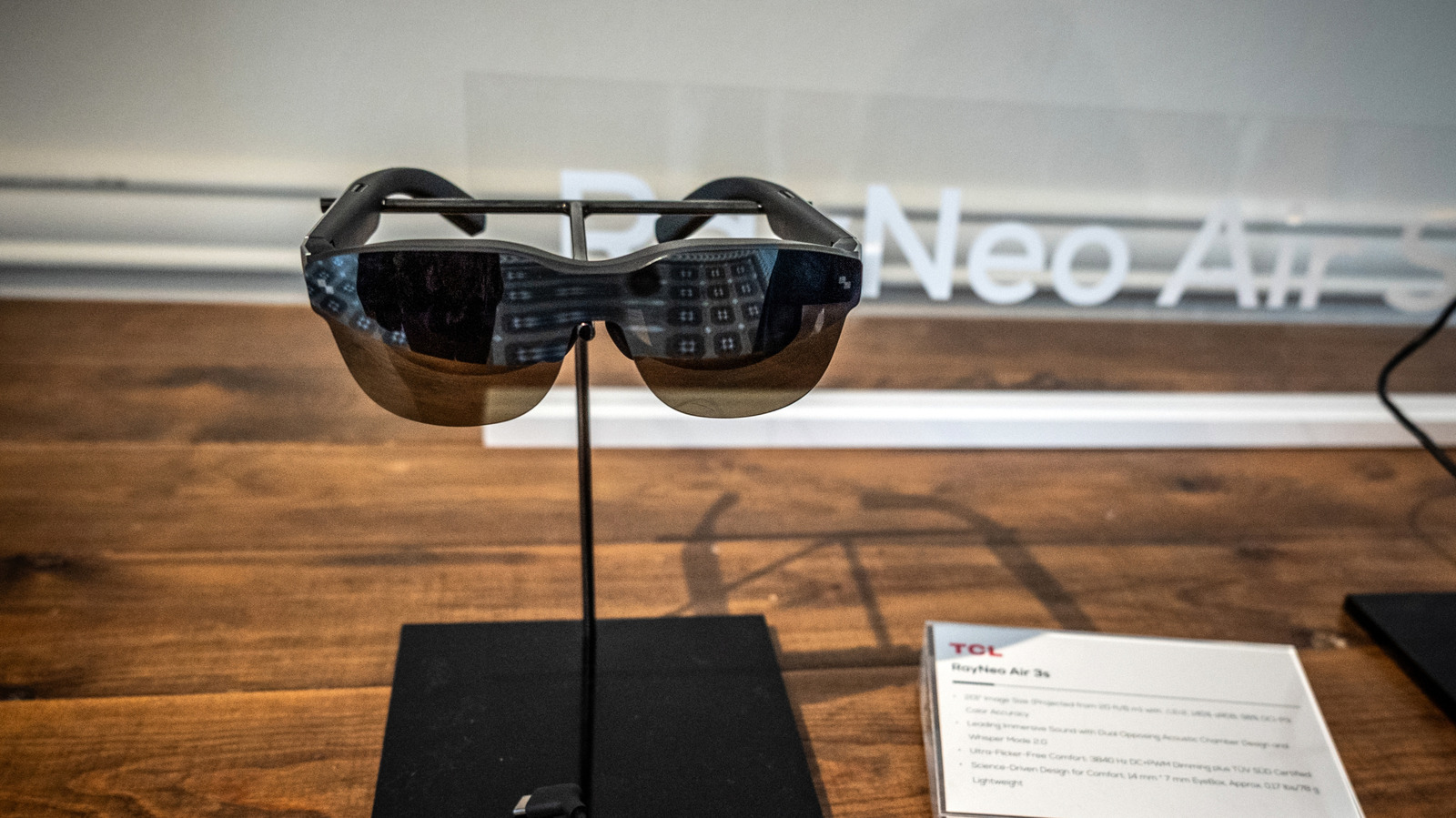
Tech enthusiasts are experimenting with smart glasses as a replacement for traditional desktop monitors, but ergonomic and technical hurdles still limit their daily office utility.
 💻Tech
Photo: Engadget
Key points
- Smart glasses are being tested as potential replacements for PC monitors
- Key advantages include privacy, portability, and customizable workspace setups
- Major drawbacks involve device heating, eye strain, and multitasking friction
- Current models are better suited for media consumption and gaming than office work
As wearable technology continues to evolve, some users are testing whether smart glasses can fully replace computer monitors. While the idea of ditching physical desktop screens for lightweight, portable virtual displays is appealing, early experiments reveal a mixed user experience.
Proponents of the shift highlight key benefits such as enhanced privacy, workspace decluttering, and flexible screen configurations. Users can adjust multiple virtual monitors to their personal preferences, improving posture during travel compared to hunching over a standard laptop.
However, practical drawbacks remain prominent. Reviewers and testers have reported physical discomfort, including device heating during extended use and potential eye strain caused by screens positioned mere fractions of an inch from the eyes. Additionally, multitasking involving physical tools like notebooks becomes awkward while wearing tinted lenses.
"The screen is about half an inch from my eyes," noted one tester highlighting the unique strain of prolonged use.
Ultimately, while hardware is becoming lighter and more streamlined, smart glasses currently excel at entertainment, gaming, and media consumption rather than managing an eight-hour workday.
Source Engadget — engadget.com/2311266/smart-glasses-replace-monitor-why-not/ ↗
Read next
 📈Business
Trump Administration Pressures Intel and Nvidia, Sparking Concerns Over State Control
Newly unsealed court documents reveal aggressive government pressure on Intel and Nvidia, shifting tech policy toward direct state stakes.
 🚀Space
Ukraine braces for another difficult winter amid ongoing attacks on energy infrastructure
Ukrainians are preparing for a harsh winter as continuous strikes on energy facilities and rising food prices strain households.
 🛡️Cyber
Russia’s hybrid war on Europe is evolving but failing to deter Ukraine support, IISS report says
A report by the IISS highlights an increase in Russian sabotage and infrastructure attacks across Europe, noting however that the strategy has failed to weaken support fo…
 🔬Science
Biomolecular analysis reveals centuries-old embalming recipes for Egyptian crocodile mummies
A study of ancient Egyptian crocodile mummies shows that embalmers used the exact same beeswax and pine resin recipe centuries apart at a single site.
 🛡️Cyber
Cybersecurity Weekly Roundup: Ransomware Fraud, ChatGPT Sites Leaks, and New Defenses
The latest threat intelligence roundup covers charges against a recovery firm co-founder, web app exposure risks, software patches, and VirusTotal's new detection feature…
 🌍World
NATO Fighter Jets Scrambled After Drone Enters Latvian Airspace
Latvian armed forces deployed Alliance aircraft and interceptors following a brief border breach by an unidentified unmanned aerial vehicle.