Why Apple's New HomeView Smart Display Relies Heavily on the iPhone
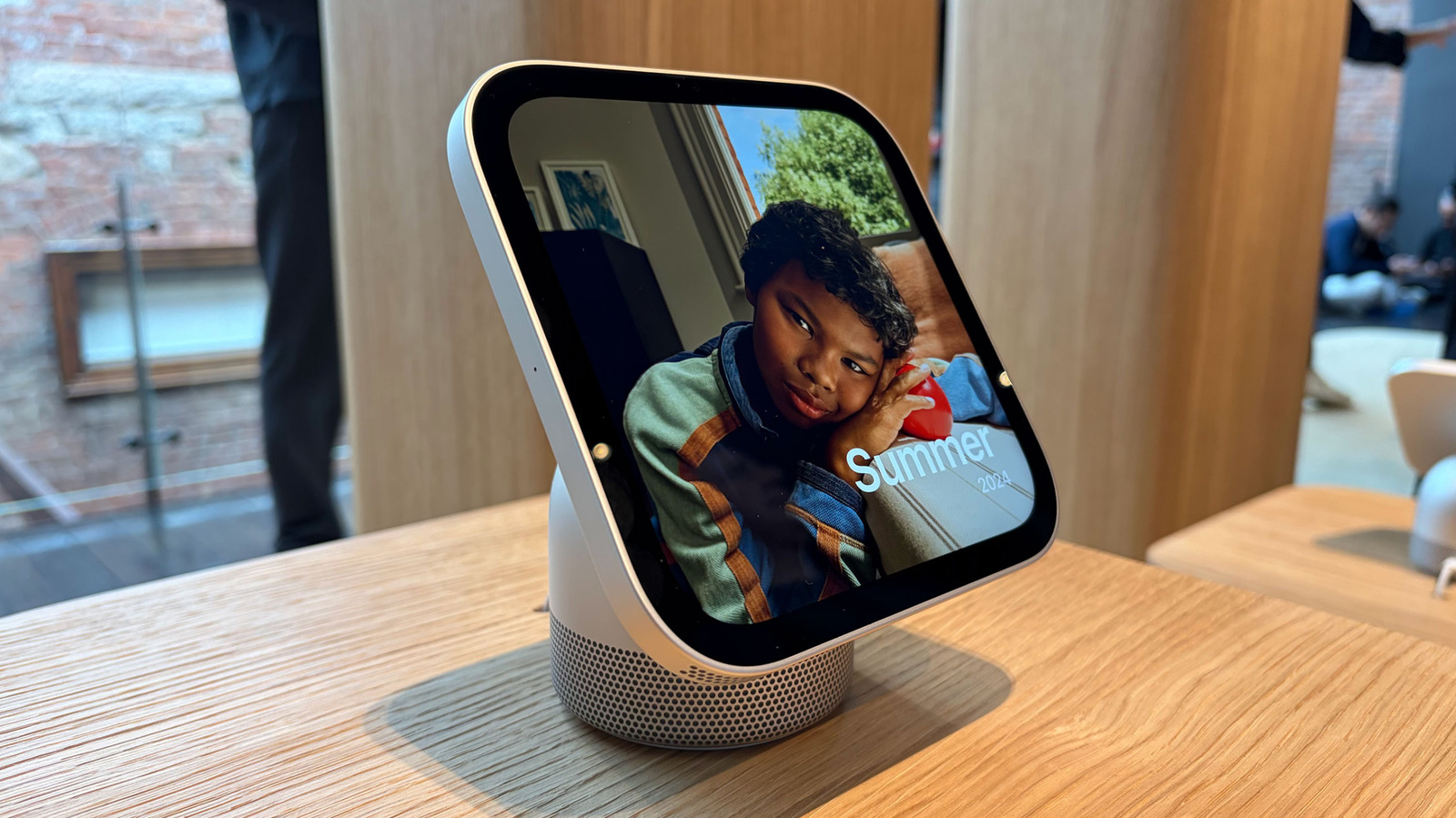
Apple's HomeView smart display functions as a personal hub by mirroring iPhone apps rather than hosting them locally, a strategy designed to prioritize user privacy.
 💻Tech
Photo: Engadget
Key points
- HomeView mirrors iPhone apps instead of running them natively
- Personal data is only visible when the user's unlocked iPhone is in proximity
- The device functions as a shared hub without storing sensitive personal info locally
Apple has officially launched HomeView, its long-anticipated smart display designed to serve as a central hub for the modern household. The device integrates a visual interface, a Siri-enabled smart speaker, and a FaceTime station. However, unlike the iPad, HomeView is not a standalone tablet; it is built to function in tandem with an iPhone.
Mirroring and Ecosystem Integration
A defining feature of HomeView is its lack of a dedicated App Store. Instead of running native software, the system mirrors compatible apps already installed on a user's iPhone or iPad, similar to how CarPlay operates in vehicles. This includes core Apple services such as Calendar, Messages, Reminders, and Weather.
Cecilia Dantas, a member of Apple’s Home product marketing team, explained that home products must be "intelligent, personal and private." Because Siri requires personal context to provide intelligent answers, Apple chose to use the iPhone as the sole secure container for that sensitive information.
Privacy-First Architecture
Matthew Costello, VP of hardware engineering, emphasized that while HomeView is a communal device for the whole family, it protects individual privacy through strict proximity requirements. Personal data only appears on the screen when the device recognizes the user’s face and their unlocked iPhone is nearby.
"It recognizes you and shows you your information, but when you step away, it's gone," Costello noted.
This design ensures that private messages or calendar invites are not permanently stored on the stationary device. Beyond security, this integration enables seamless Handoff features, allowing users to transfer music, FaceTime calls, or cooking recipes from Safari directly to the larger display.
Source Engadget — engadget.com/2315338/why-apples-homeview-relies-so-heavily-on-your-… ↗
Read next
 📈Business
Trump Administration Pressures Intel and Nvidia, Sparking Concerns Over State Control
Newly unsealed court documents reveal aggressive government pressure on Intel and Nvidia, shifting tech policy toward direct state stakes.
 🚀Space
Ukraine braces for another difficult winter amid ongoing attacks on energy infrastructure
Ukrainians are preparing for a harsh winter as continuous strikes on energy facilities and rising food prices strain households.
 🛡️Cyber
Russia’s hybrid war on Europe is evolving but failing to deter Ukraine support, IISS report says
A report by the IISS highlights an increase in Russian sabotage and infrastructure attacks across Europe, noting however that the strategy has failed to weaken support fo…
 🔬Science
Biomolecular analysis reveals centuries-old embalming recipes for Egyptian crocodile mummies
A study of ancient Egyptian crocodile mummies shows that embalmers used the exact same beeswax and pine resin recipe centuries apart at a single site.
 🛡️Cyber
Cybersecurity Weekly Roundup: Ransomware Fraud, ChatGPT Sites Leaks, and New Defenses
The latest threat intelligence roundup covers charges against a recovery firm co-founder, web app exposure risks, software patches, and VirusTotal's new detection feature…
 🌍World
NATO Fighter Jets Scrambled After Drone Enters Latvian Airspace
Latvian armed forces deployed Alliance aircraft and interceptors following a brief border breach by an unidentified unmanned aerial vehicle.