The Lifespan of PC Coolant: Why Regular Maintenance is Crucial for Liquid-Cooled Rigs
Periodic replacement of PC coolant is essential to prevent hardware corrosion and maintain optimal thermal performance.
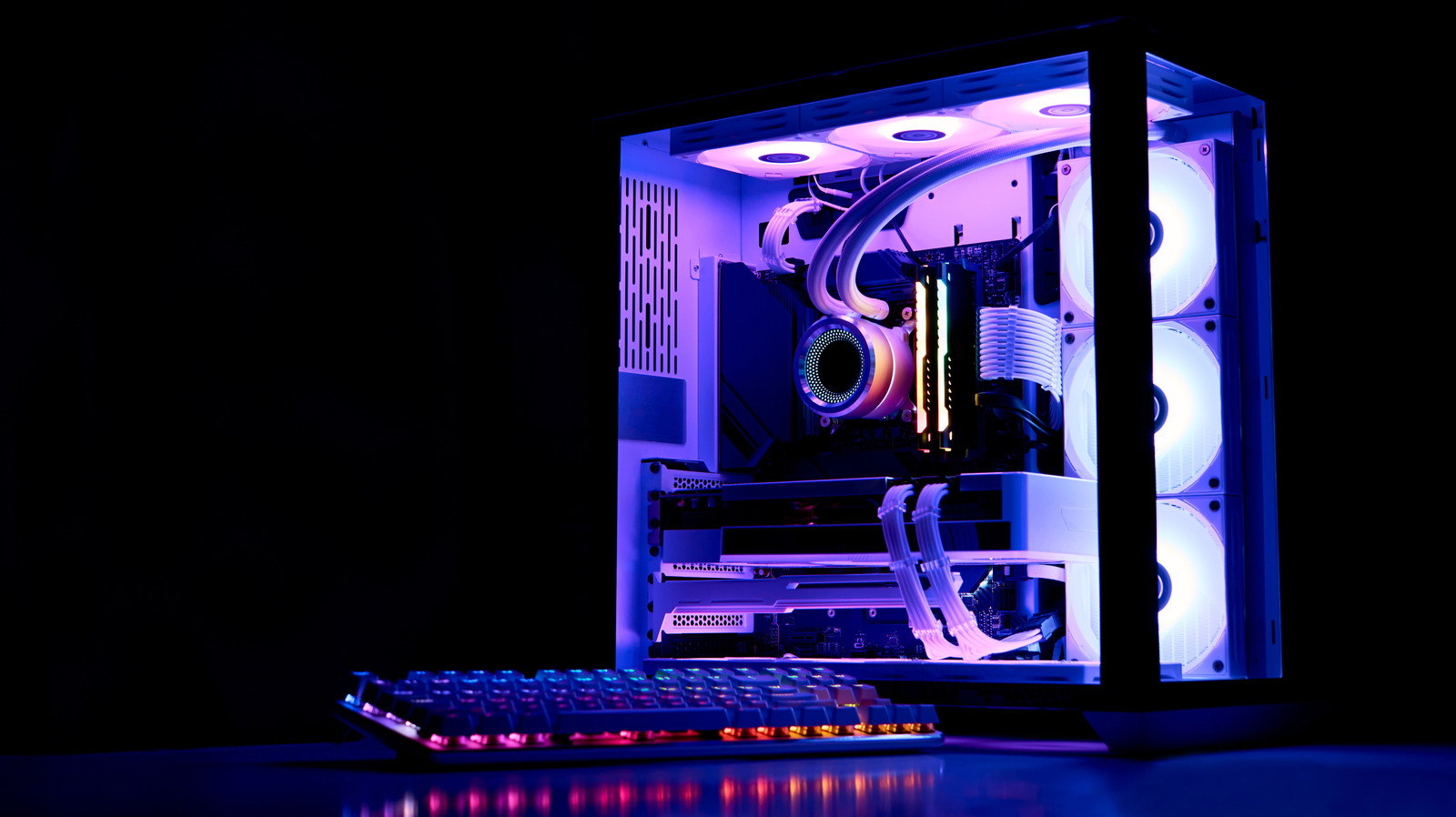 💻Tech
Photo: Engadget
Key points
- Corrosion inhibitors in PC coolant eventually wear out, risking damage to metal components.
- Pigmented and aesthetic coolants require more frequent maintenance, ideally every six months.
- Visual changes like murkiness or algae growth are clear indicators that a coolant flush is needed.
Liquid-cooled PCs have become a staple for high-performance computing enthusiasts, but these systems demand significantly more maintenance than traditional air cooling. A common misconception is that the coolant can remain in the loop indefinitely; however, the liquid has a definitive lifespan and requires regular replacement to protect the hardware.
Chemical Breakdown and Hardware Risks
The primary concern with aging coolant is the chemical degradation of its components. Specifically, corrosion inhibitors within the liquid are consumed over time. Once these additives are exhausted, the fluid can begin to corrode the internal metal surfaces of the water blocks and radiators. Furthermore, coolant loses its lubricating properties with extended use, which can lead to premature failure of the pump motor.
Contamination and Aesthetic Additives
Beyond chemical breakdown, liquid systems are susceptible to the growth of algae and the accumulation of particulates. This risk is significantly higher in systems using coolants with heavy pigments or visual effects. These additives can cause clogging in the fine fins of water blocks, drastically reducing cooling efficiency. Experts generally recommend a full coolant flush at least once a year, or every six months for those using highly pigmented fluids.
Identifying the Need for a Refill
Monitoring the visual state of the cooling loop is the most effective way to spot degradation. Signs such as murkiness, visible grime, or a change in color within the tubes and reservoir indicate that the fluid has reached the end of its life. Additionally, a sudden and sustained increase in CPU temperatures often serves as a warning that the coolant is no longer effectively transferring heat and must be replaced immediately.
Source Engadget — engadget.com/2307846/how-long-pc-coolant-lasts/ ↗
Read next
 📈Business
Trump Administration Pressures Intel and Nvidia, Sparking Concerns Over State Control
Newly unsealed court documents reveal aggressive government pressure on Intel and Nvidia, shifting tech policy toward direct state stakes.
 🚀Space
Ukraine braces for another difficult winter amid ongoing attacks on energy infrastructure
Ukrainians are preparing for a harsh winter as continuous strikes on energy facilities and rising food prices strain households.
 🛡️Cyber
Russia’s hybrid war on Europe is evolving but failing to deter Ukraine support, IISS report says
A report by the IISS highlights an increase in Russian sabotage and infrastructure attacks across Europe, noting however that the strategy has failed to weaken support fo…
 🔬Science
Biomolecular analysis reveals centuries-old embalming recipes for Egyptian crocodile mummies
A study of ancient Egyptian crocodile mummies shows that embalmers used the exact same beeswax and pine resin recipe centuries apart at a single site.
 🛡️Cyber
Cybersecurity Weekly Roundup: Ransomware Fraud, ChatGPT Sites Leaks, and New Defenses
The latest threat intelligence roundup covers charges against a recovery firm co-founder, web app exposure risks, software patches, and VirusTotal's new detection feature…
 🌍World
NATO Fighter Jets Scrambled After Drone Enters Latvian Airspace
Latvian armed forces deployed Alliance aircraft and interceptors following a brief border breach by an unidentified unmanned aerial vehicle.