The Physics of E-ink: How Microcapsules Power Modern E-readers
An overview of the mechanics behind E-ink technology, explaining its superior battery life and the physical limitations that prevent it from replacing standard LCD/OLED tablets.
 💻Tech
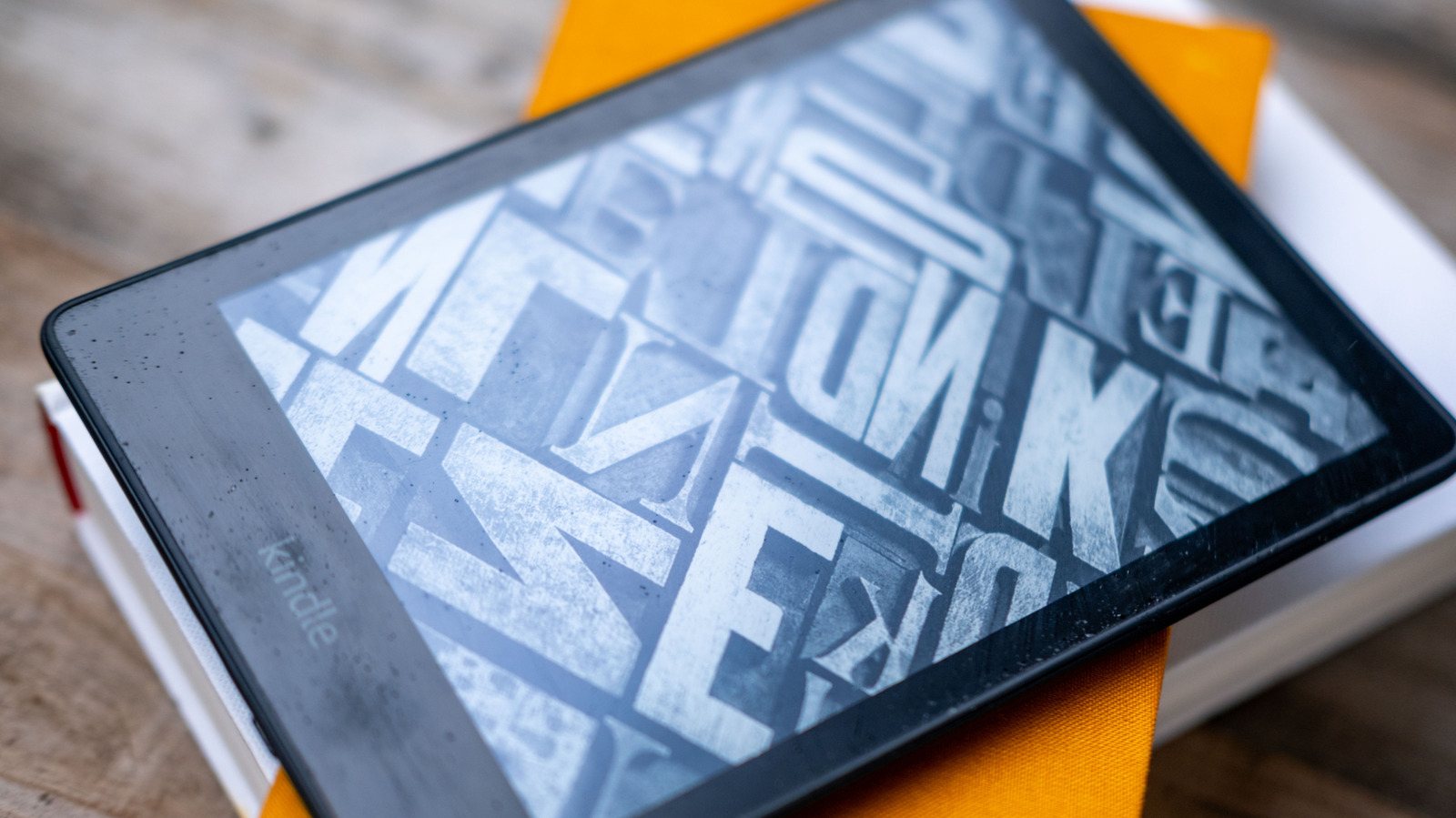
Photo: Engadget
Key points
- Static image retention for battery efficiency
- Microcapsule-based display mechanics
- Limitations in refresh rates and color gamut
E-ink technology provides a reading experience that mimics paper, relying on ambient light rather than backlighting. At the heart of this system are millions of tiny microcapsules, each the size of a human hair, which contain particles that react to electrical currents.
The primary advantage of this architecture is its extreme energy efficiency. Once the particles are moved to form an image, they remain in place without requiring further power. This allows e-readers to operate for weeks or months on a single charge, whereas tablets with light-projecting displays consume energy constantly to maintain a visual output.
However, E-ink faces significant hurdles regarding performance. The need to physically move particles limits refresh rates, making smooth video playback difficult. Furthermore, color E-ink panels are restricted to a few thousand colors, falling far short of the millions offered by standard mobile displays. While the technology is evolving, these physical constraints suggest that E-ink will likely remain a specialized tool for reading rather than a direct competitor to high-performance tablets.
Source Engadget — engadget.com/2306305/how-does-ereader-nook-amazon-kindle-digital-in… ↗
Read next
 📈Business
Trump Administration Pressures Intel and Nvidia, Sparking Concerns Over State Control
Newly unsealed court documents reveal aggressive government pressure on Intel and Nvidia, shifting tech policy toward direct state stakes.
 🚀Space
Ukraine braces for another difficult winter amid ongoing attacks on energy infrastructure
Ukrainians are preparing for a harsh winter as continuous strikes on energy facilities and rising food prices strain households.
 🛡️Cyber
Russia’s hybrid war on Europe is evolving but failing to deter Ukraine support, IISS report says
A report by the IISS highlights an increase in Russian sabotage and infrastructure attacks across Europe, noting however that the strategy has failed to weaken support fo…
 🔬Science
Biomolecular analysis reveals centuries-old embalming recipes for Egyptian crocodile mummies
A study of ancient Egyptian crocodile mummies shows that embalmers used the exact same beeswax and pine resin recipe centuries apart at a single site.
 🛡️Cyber
Cybersecurity Weekly Roundup: Ransomware Fraud, ChatGPT Sites Leaks, and New Defenses
The latest threat intelligence roundup covers charges against a recovery firm co-founder, web app exposure risks, software patches, and VirusTotal's new detection feature…
 🌍World
NATO Fighter Jets Scrambled After Drone Enters Latvian Airspace
Latvian armed forces deployed Alliance aircraft and interceptors following a brief border breach by an unidentified unmanned aerial vehicle.