De Gerlache-Kocher Massif: A Prime Candidate for Future NASA Artemis Missions
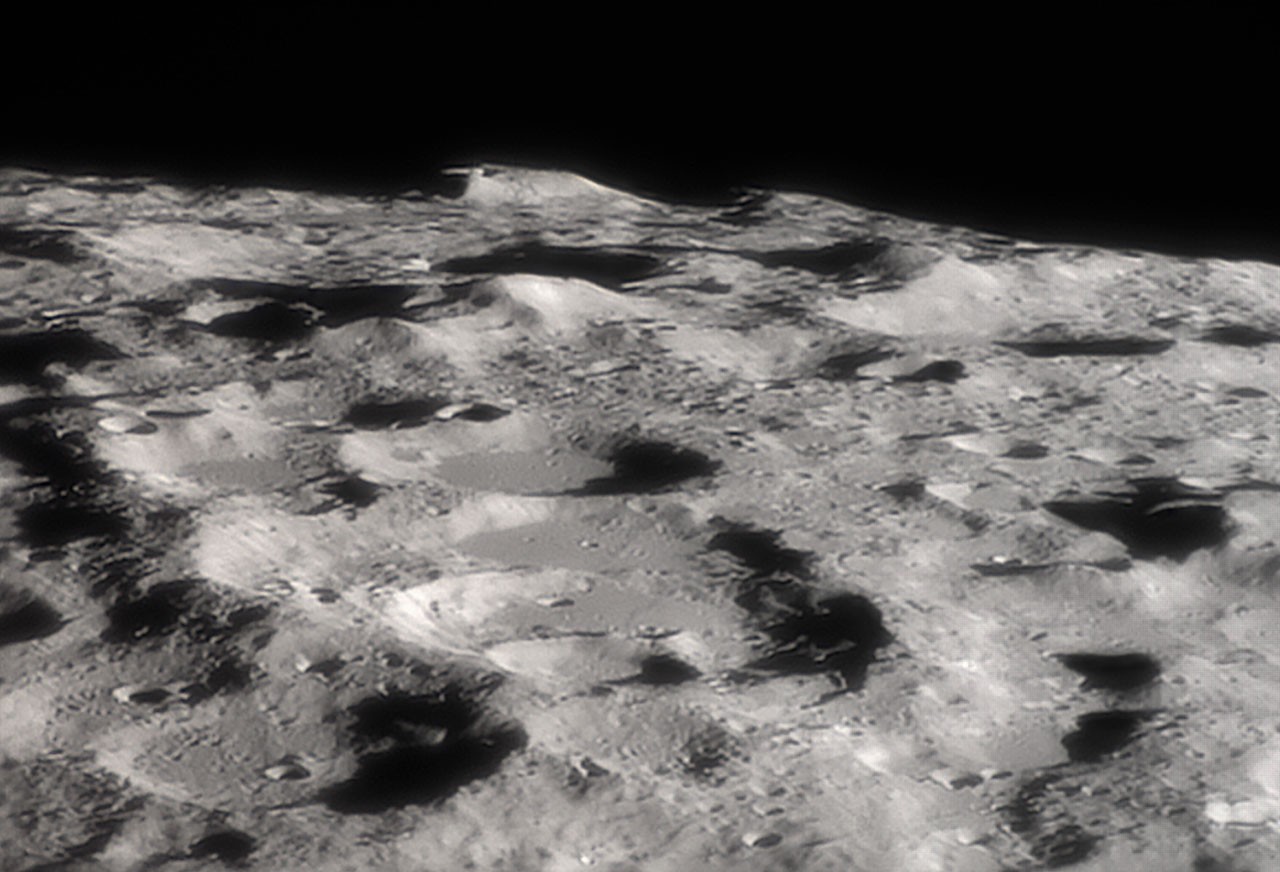
NASA has released a detailed image of the lunar De Gerlache-Kocher massif, identifying it as a strategic landing site for upcoming crewed missions.
 🚀Space
Photo: NASA Breaking News
Key points
- De Gerlache-Kocher massif is located near the lunar south pole
- The formation rises 4 kilometers above the surface
- The area is targeted for its water ice and solar energy potential
NASA's Astronomy Picture of the Day for November 7 highlights the De Gerlache-Kocher massif, a prominent mountain formation located near the Moon's south pole. Rising approximately 4 kilometers above the surrounding lunar terrain, this massif has become a focal point for lunar exploration planning.
The south polar region is widely considered the most viable site for establishing a permanent human presence on the Moon. The De Gerlache-Kocher massif offers a unique combination of resources: permanently shadowed crater floors, which are believed to harbor deposits of water ice, and high-altitude peaks that receive near-constant sunlight, essential for solar power generation.
The captured image, taken on October 31, utilizes a favorable lunar libration angle, providing a rare oblique view of the south pole. NASA is currently evaluating this specific site as a potential landing zone for future crewed Artemis missions, as the agency seeks to leverage the region's natural resources for long-term sustainability.
Source NASA Breaking News — science.nasa.gov/image-article/apod-2026-november-7-de-gerlache-kocher-… ↗
Read next
 📈Business
EU Budget Row: Macron Accuses Le Pen of Arrogance Amid Multiannual Funding Clash
Discussions over the European Union's next multiannual budget have sparked a fierce political showdown between French President Emmanuel Macron and far-right leader Marin…
 📈Business
Trump Administration Pressures Intel and Nvidia, Sparking Concerns Over State Control
Newly unsealed court documents reveal aggressive government pressure on Intel and Nvidia, shifting tech policy toward direct state stakes.
 🛡️Cyber
Russia’s hybrid war on Europe is evolving but failing to deter Ukraine support, IISS report says
A report by the IISS highlights an increase in Russian sabotage and infrastructure attacks across Europe, noting however that the strategy has failed to weaken support fo…
 🔬Science
Biomolecular analysis reveals centuries-old embalming recipes for Egyptian crocodile mummies
A study of ancient Egyptian crocodile mummies shows that embalmers used the exact same beeswax and pine resin recipe centuries apart at a single site.
 💻Tech
Astronomers Witness Rare Stellar Merger as Red Giant Devours Companion Star
An international team of researchers used advanced ground- and space-based telescopes to document a rare cosmic event where a massive red giant swallowed its smaller stel…
 🛡️Cyber
Cybersecurity Weekly Roundup: Ransomware Fraud, ChatGPT Sites Leaks, and New Defenses
The latest threat intelligence roundup covers charges against a recovery firm co-founder, web app exposure risks, software patches, and VirusTotal's new detection feature…