Hidden Danger of Microplastics: Scientists Discover How Fragmented Particles Generate Toxic Compounds
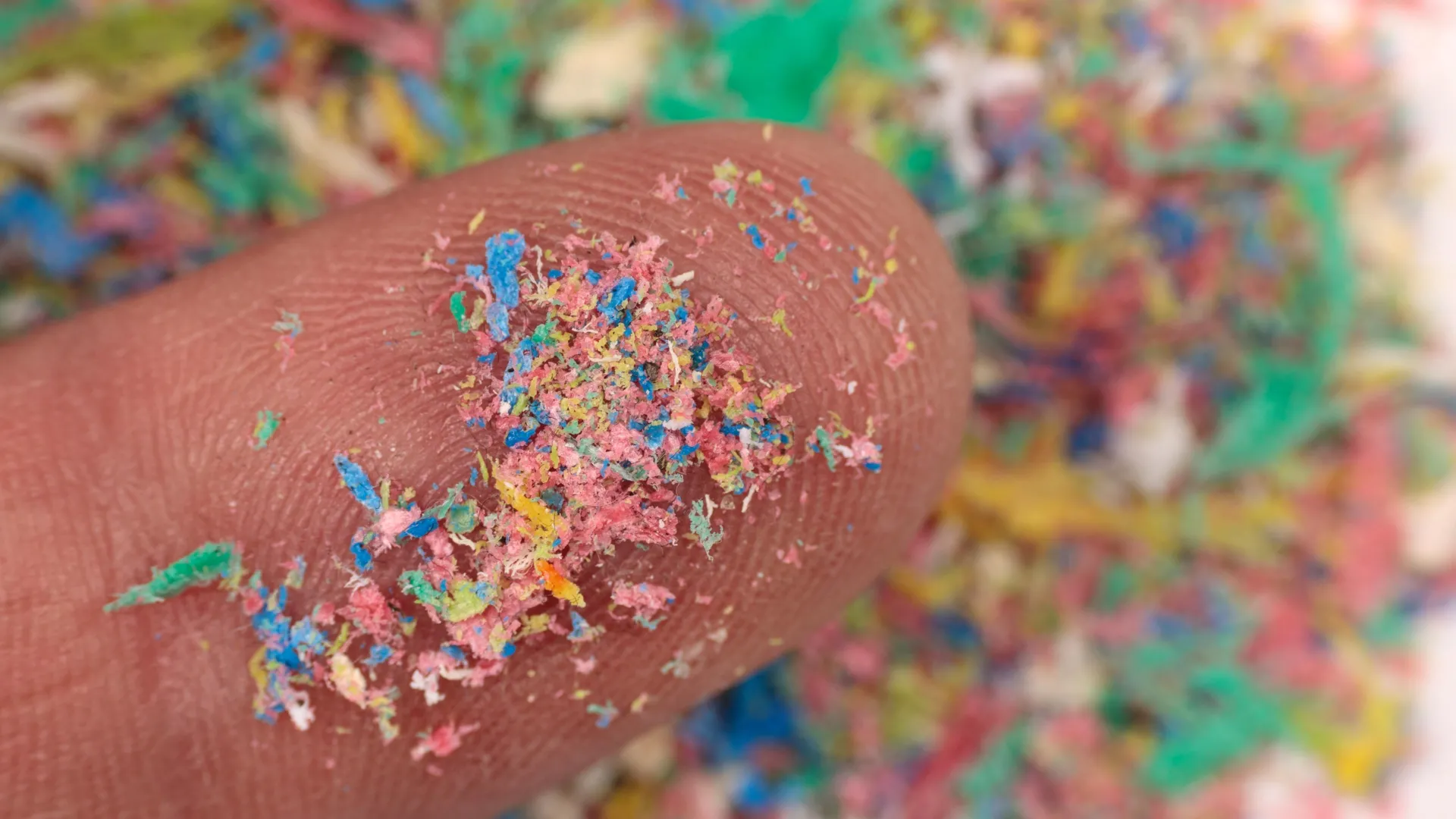
Researchers reveal that microplastics and nanoplastics can chemically interact with water to generate dangerous reactive oxygen species.
 🔬Science
Photo: ScienceDaily
Key points
- Microplastics and nanoplastics actively generate reactive oxygen species in water.
- Exponentially larger surface area drives unexpected chemical reactions.
- Federal agencies are ramping up research and monitoring of microplastic contaminants.
Plastics have long been considered chemically stable and inert, making them ubiquitous in consumer goods, packaging, and medical devices without immediate concerns about chemical reactivity. However, groundbreaking research challenges this longstanding assumption by demonstrating that the behavior of plastic changes drastically as it breaks down into microscopic fragments. As larger objects fracture into microplastics and nanoplastics, their exposed surface area increases exponentially, facilitating unexpected chemical interactions.
Chemical Activity at the Nanoscale
Scientists from Columbia University and the University of California, Berkeley, discovered that these newly exposed surfaces actively react with surrounding water molecules. This interaction spontaneously generates high-energy reactive radicals, commonly known as reactive oxygen species (ROS). Because biological tissues, blood, and cells consist largely of water, the continuous presence of such particles could drive ongoing chemical damage to cellular components and biological structures.
This discovery provides a missing chemical pathway to help explain epidemiological findings linking microplastic exposure to serious health conditions. Advanced laser microscopy techniques previously revealed an average of hundreds of thousands of plastic fragments in a single liter of bottled water, highlighting the sheer ubiquity of microscopic contamination throughout the global food and water supply systems.
Regulatory Action and Public Health Response
The implications of these findings have propelled microplastics from an environmental concern to a major public health priority. Governments and federal agencies have initiated substantial funding programs to study systemic toxicity, while environmental regulators have begun listing microplastics among contaminants of emerging concern in drinking water. Although researchers emphasize that direct disease causation is still under investigation, the newly identified reactive mechanism underscores the potential biological risks.
Source ScienceDaily — sciencedaily.com/releases/2026/11/261120075549.htm ↗
Read next
 🚀Space
Ukraine braces for another difficult winter amid ongoing attacks on energy infrastructure
Ukrainians are preparing for a harsh winter as continuous strikes on energy facilities and rising food prices strain households.
 🛡️Cyber
Russia’s hybrid war on Europe is evolving but failing to deter Ukraine support, IISS report says
A report by the IISS highlights an increase in Russian sabotage and infrastructure attacks across Europe, noting however that the strategy has failed to weaken support fo…
 🛡️Cyber
Cybersecurity Weekly Roundup: Ransomware Fraud, ChatGPT Sites Leaks, and New Defenses
The latest threat intelligence roundup covers charges against a recovery firm co-founder, web app exposure risks, software patches, and VirusTotal's new detection feature…
 💻Tech
Astronomers Witness Rare Stellar Merger as Red Giant Devours Companion Star
An international team of researchers used advanced ground- and space-based telescopes to document a rare cosmic event where a massive red giant swallowed its smaller stel…
 🌍World
NATO Fighter Jets Scrambled After Drone Enters Latvian Airspace
Latvian armed forces deployed Alliance aircraft and interceptors following a brief border breach by an unidentified unmanned aerial vehicle.
 🤖AI
Global Canopy Atlas Maps World Forests Using 3D Laser Surveys
An international team of researchers has compiled thousands of aerial LiDAR scans into a unified digital platform to analyze global woody ecosystems.