Keto Diet Reduces Liver Fat by 67% in Four Months, Clinical Trial Shows
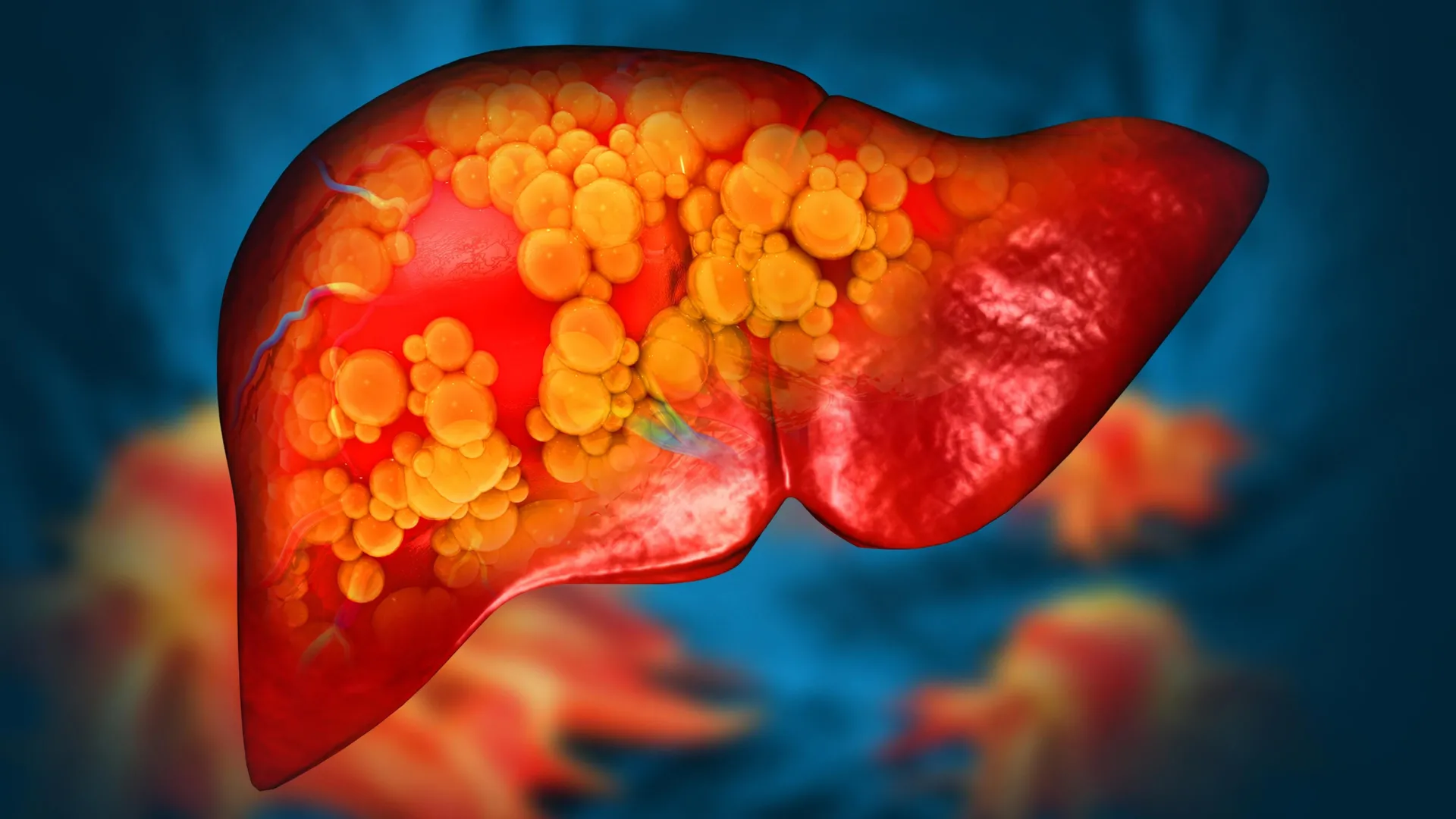
A new clinical trial reveals that a very low-carbohydrate ketogenic diet reduces liver fat substantially more than Mediterranean or low-fat diets, despite similar weight loss across all groups.
 🔬Science
Photo: ScienceDaily
Key points
- Keto diet cut liver fat by 67%
- All groups achieved ~10% weight loss
- Half of keto participants cleared prediabetes criteria
Medical researchers are increasingly exploring how specific nutritional frameworks influence metabolic health beyond mere weight reduction. Conditions such as obesity, prediabetes, and fatty liver disease pose significant global health challenges, driving the need for targeted dietary interventions. A recent clinical trial conducted by researchers at the Washington University School of Medicine in St. Louis sheds new light on how manipulating macronutrient ratios directly impacts internal organ health.
Comparing Diets Under Controlled Conditions
The study evaluated 42 adult participants diagnosed with obesity, prediabetes, and excess liver fat, assigning them randomly to one of three popular eating plans: a ketogenic diet, a Mediterranean diet, or a plant-forward low-fat diet. To maintain strict compliance, the research team provided all meals and arranged weekly consultations with registered dietitians. Calorie intake was adjusted individually so that participants in every group achieved roughly a 10% reduction in starting body weight over a four- to five-month period.
While the weight loss outcomes were comparable, the metabolic effects diverged significantly. Participants following the ketogenic diet—where carbohydrates accounted for just 4% of daily calories—experienced an average 67% decrease in liver fat. In contrast, those on the Mediterranean and low-fat diets achieved a 45% reduction. Furthermore, approximately half of the individuals in the keto group no longer met the diagnostic criteria for prediabetes by the end of the intervention.
"Our data suggest that if you have high liver fat content and prediabetes, reducing carbohydrate intake can have important therapeutic effects on metabolism," noted corresponding author Samuel Klein.
These findings underscore that the composition of dietary intake influences metabolic health independently of weight loss. As researchers continue to explore these pathways, patients and clinicians gain deeper insights into managing metabolic disorders through targeted nutritional strategies.
Source ScienceDaily — sciencedaily.com/releases/2026/11/261120070904.htm ↗
Read next
 📈Business
Trump Administration Pressures Intel and Nvidia, Sparking Concerns Over State Control
Newly unsealed court documents reveal aggressive government pressure on Intel and Nvidia, shifting tech policy toward direct state stakes.
 🚀Space
Ukraine braces for another difficult winter amid ongoing attacks on energy infrastructure
Ukrainians are preparing for a harsh winter as continuous strikes on energy facilities and rising food prices strain households.
 🛡️Cyber
Russia’s hybrid war on Europe is evolving but failing to deter Ukraine support, IISS report says
A report by the IISS highlights an increase in Russian sabotage and infrastructure attacks across Europe, noting however that the strategy has failed to weaken support fo…
 🛡️Cyber
Cybersecurity Weekly Roundup: Ransomware Fraud, ChatGPT Sites Leaks, and New Defenses
The latest threat intelligence roundup covers charges against a recovery firm co-founder, web app exposure risks, software patches, and VirusTotal's new detection feature…
 💻Tech
Astronomers Witness Rare Stellar Merger as Red Giant Devours Companion Star
An international team of researchers used advanced ground- and space-based telescopes to document a rare cosmic event where a massive red giant swallowed its smaller stel…
 🌍World
NATO Fighter Jets Scrambled After Drone Enters Latvian Airspace
Latvian armed forces deployed Alliance aircraft and interceptors following a brief border breach by an unidentified unmanned aerial vehicle.