Archaeologists uncover oldest evidence of cannabis use for intoxication
A 2,800-year-old Siberian tomb has yielded cannabis seeds and chemical traces in human hair, linking the plant to ancient Scythian burial rituals.
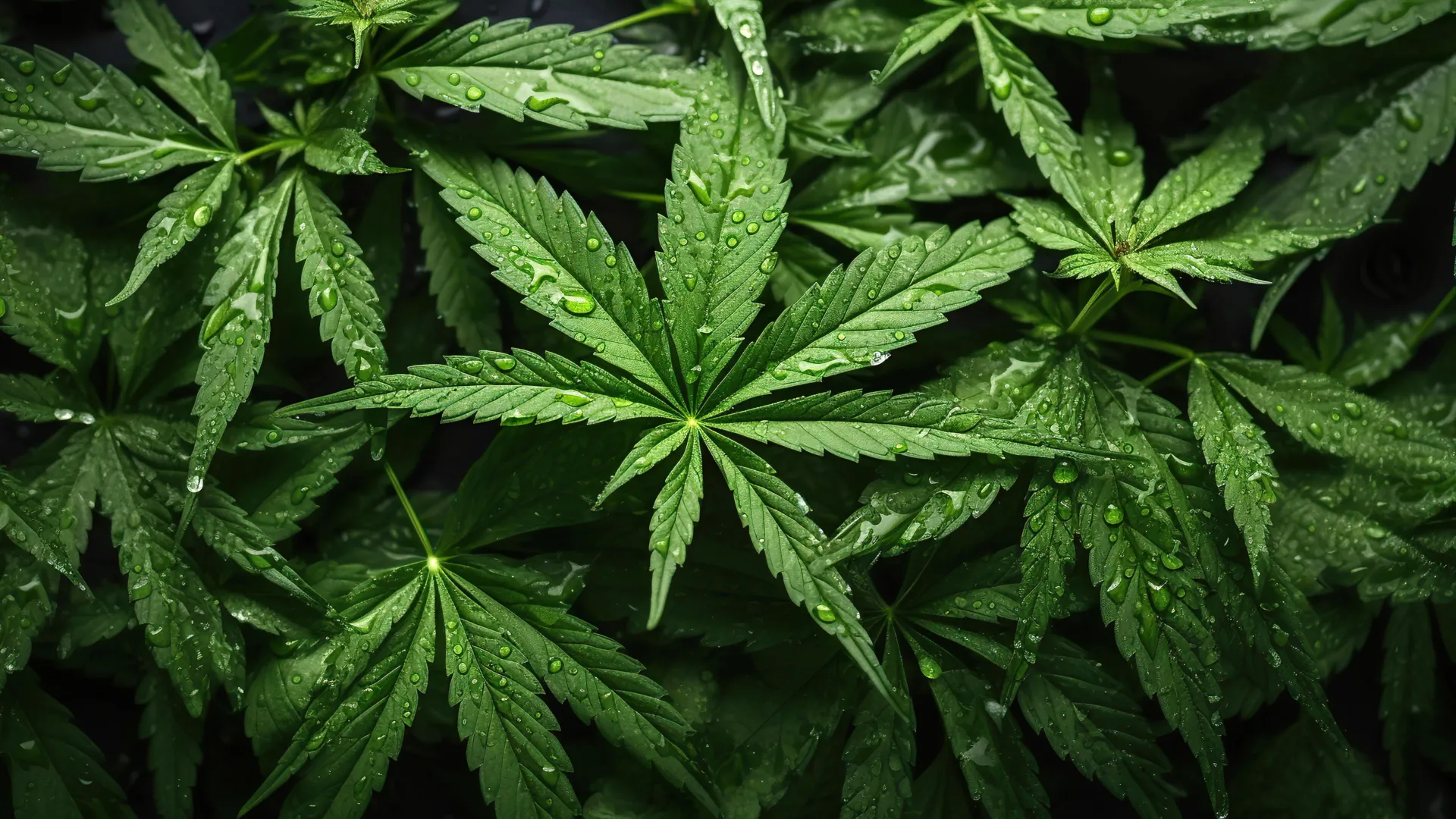 🔬Science
Photo: ScienceDaily
Key points
- 1,000 cannabis seeds found in an 8th-century B.C. Scythian tomb.
- Chemical analysis of hair confirms the presence of THC and CBN.
- DNA sequencing is underway to study the history of cannabis domestication.
An international research team led by Dr. Gino Caspari of the University of Bern has identified evidence of cannabis use in a 2,800-year-old Siberian burial site. The findings, published in the journal Science, provide the oldest directly dated archaeological proof that ancient populations consumed cannabis for its psychoactive properties.
The investigation, conducted in the Republic of Tyva, focused on a prominent Scythian tomb. Researchers recovered approximately 1,000 cannabis seeds from the site. Crucially, high-resolution mass spectrometry performed on preserved human hair samples from the burial chamber revealed clear traces of cannabinol (CBN) and tetrahydrocannabinol (THC), confirming that the individuals had consumed the plant.
According to Dr. Caspari, the cannabis was likely an integral part of the elaborate funerary rites, which also included the sacrifice of dozens of horses. While the study confirms the use of the plant for its intoxicating effects, it remains unclear whether the Scythians actively cultivated specific potent varieties or gathered wild plants.
The team has now begun sequencing the DNA of the recovered plant remains. The excellent preservation of the genetic material offers a rare opportunity to trace the history of cannabis domestication and its spread across Eurasia over the past three millennia.
Source ScienceDaily — sciencedaily.com/releases/2026/11/261106174528.htm ↗
Read next
 📈Business
Trump Administration Pressures Intel and Nvidia, Sparking Concerns Over State Control
Newly unsealed court documents reveal aggressive government pressure on Intel and Nvidia, shifting tech policy toward direct state stakes.
 🚀Space
Ukraine braces for another difficult winter amid ongoing attacks on energy infrastructure
Ukrainians are preparing for a harsh winter as continuous strikes on energy facilities and rising food prices strain households.
 🛡️Cyber
Russia’s hybrid war on Europe is evolving but failing to deter Ukraine support, IISS report says
A report by the IISS highlights an increase in Russian sabotage and infrastructure attacks across Europe, noting however that the strategy has failed to weaken support fo…
 🛡️Cyber
Cybersecurity Weekly Roundup: Ransomware Fraud, ChatGPT Sites Leaks, and New Defenses
The latest threat intelligence roundup covers charges against a recovery firm co-founder, web app exposure risks, software patches, and VirusTotal's new detection feature…
 💻Tech
Astronomers Witness Rare Stellar Merger as Red Giant Devours Companion Star
An international team of researchers used advanced ground- and space-based telescopes to document a rare cosmic event where a massive red giant swallowed its smaller stel…
 🌍World
NATO Fighter Jets Scrambled After Drone Enters Latvian Airspace
Latvian armed forces deployed Alliance aircraft and interceptors following a brief border breach by an unidentified unmanned aerial vehicle.