Why Certain People Attract Mosquitoes More Than Others, Scientists Discover
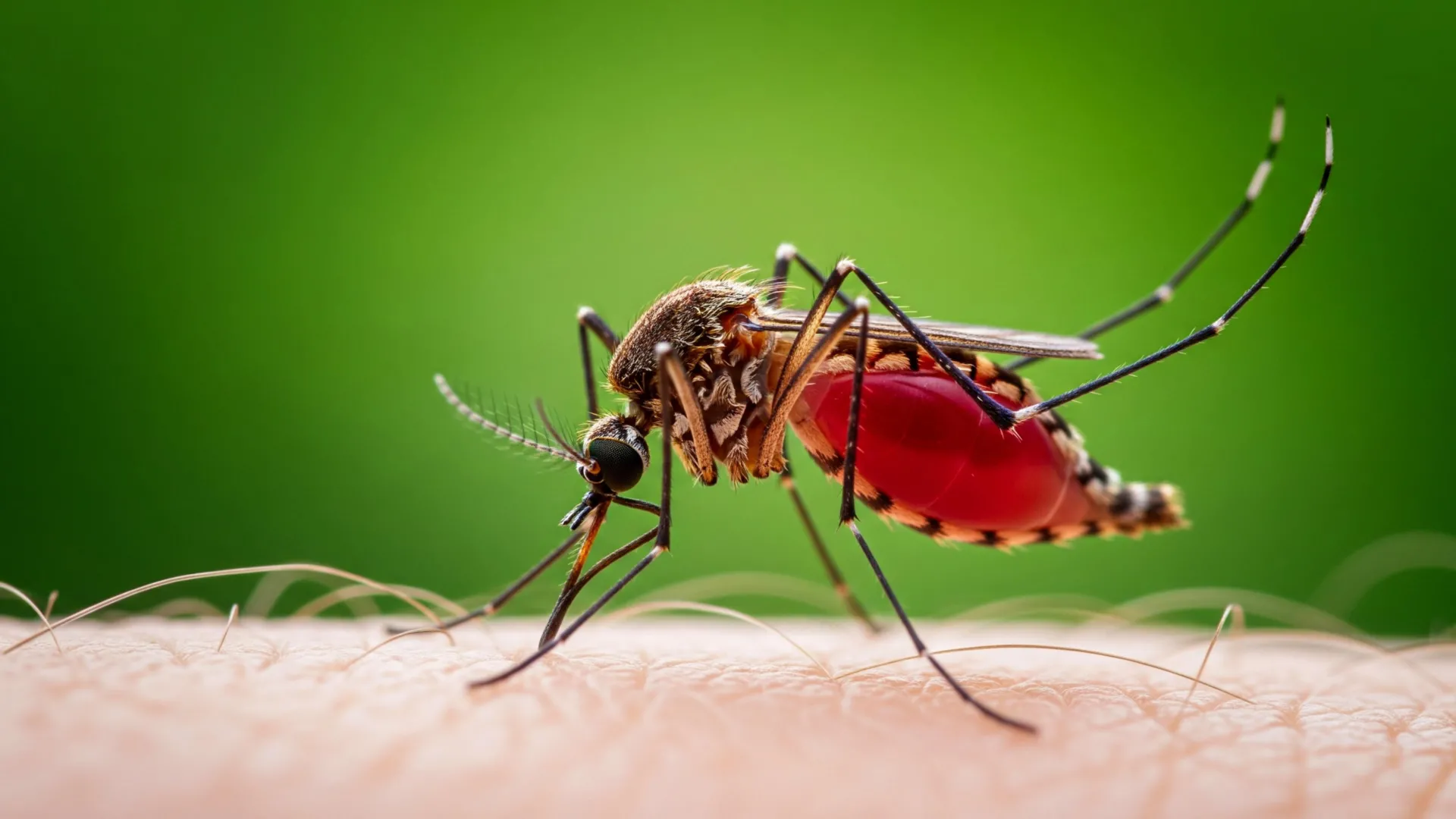
New research reveals that human attractiveness to mosquitoes depends on the specific biting species and individual skin chemistry. The findings could lead to targeted, species-specific repellents.
 🔬Science
Photo: ScienceDaily
Key points
- Study tested 119 volunteers against three dangerous mosquito species
- Mosquito preferences are linked to individual skin microbiome and body odor
- Discovery paves the way for advanced, species-specific insect repellents
The age-old question of why certain individuals seem to constantly attract biting insects has received a fresh scientific perspective. Researchers at Florida International University conducted a study involving 119 human volunteers to analyze how three dangerous mosquito species respond to people.
The findings demonstrated that not a single participant attracted all three species. Instead, each insect species preferred a distinct subset of volunteers, driven by individual body chemistry and natural skin odors. According to lead researcher Matthew DeGennaro, isolating the specific components of human scent could eventually revolutionize how public health approaches vector-borne diseases.
The investigation directly compared the reactions of Aedes aegypti, Aedes albopictus, and Culex quinquefasciatus to the exact same participants. The data revealed that human skin releases more than a thousand volatile compounds, creating a unique microbial signature that different mosquito species decode through distinct evolutionary mechanisms.
«We didn't expect the species to prefer different people when we started the study», noted Ph.D. student Kaylee Marrero.
Understanding these precise chemical preferences sets a solid scientific foundation for developing advanced, highly targeted repellents. Rather than relying on broad-spectrum deterrents, future public health strategies might utilize species-specific formulas to combat diseases like yellow fever, dengue, and Zika more effectively.
Source ScienceDaily — sciencedaily.com/releases/2026/11/261106174541.htm ↗
Read next
 📈Business
Trump Administration Pressures Intel and Nvidia, Sparking Concerns Over State Control
Newly unsealed court documents reveal aggressive government pressure on Intel and Nvidia, shifting tech policy toward direct state stakes.
 🚀Space
Ukraine braces for another difficult winter amid ongoing attacks on energy infrastructure
Ukrainians are preparing for a harsh winter as continuous strikes on energy facilities and rising food prices strain households.
 🛡️Cyber
Russia’s hybrid war on Europe is evolving but failing to deter Ukraine support, IISS report says
A report by the IISS highlights an increase in Russian sabotage and infrastructure attacks across Europe, noting however that the strategy has failed to weaken support fo…
 🛡️Cyber
Cybersecurity Weekly Roundup: Ransomware Fraud, ChatGPT Sites Leaks, and New Defenses
The latest threat intelligence roundup covers charges against a recovery firm co-founder, web app exposure risks, software patches, and VirusTotal's new detection feature…
 💻Tech
Astronomers Witness Rare Stellar Merger as Red Giant Devours Companion Star
An international team of researchers used advanced ground- and space-based telescopes to document a rare cosmic event where a massive red giant swallowed its smaller stel…
 🌍World
NATO Fighter Jets Scrambled After Drone Enters Latvian Airspace
Latvian armed forces deployed Alliance aircraft and interceptors following a brief border breach by an unidentified unmanned aerial vehicle.