1Password Breach Exposes Customer Data and Proprietary Source Code
Password management provider 1Password revealed that a hacker gained unauthorized access to internal systems via a compromised employee GitHub account.
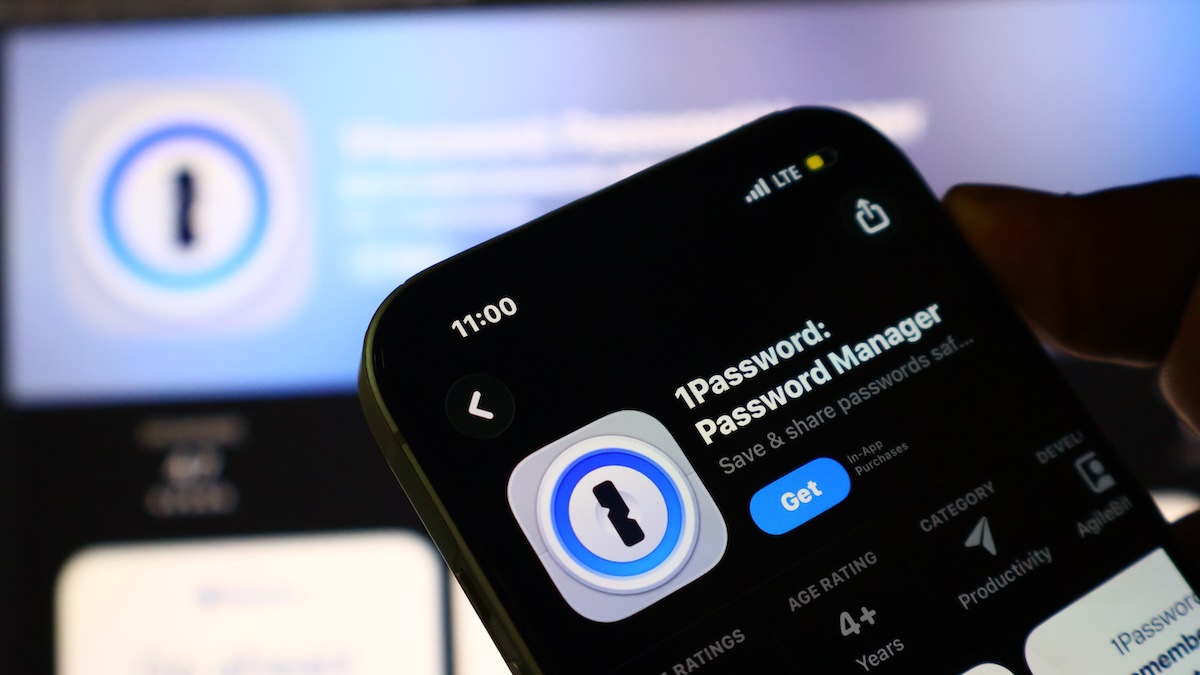 🛡️Cyber
Photo: SecurityWeek
Key points
- Compromised employee GitHub account triggered the breach
- Customer metadata and internal source code exfiltrated
- Encrypted vaults and cryptographic keys remain secure
- Ongoing investigation backed by independent security experts
Password management and identity security firm 1Password has experienced a cybersecurity incident involving the theft of customer information and proprietary source code. The company uncovered the intrusion after detecting suspicious activity on November 19, which indicated that an employee’s corporate GitHub account had been compromised by an unauthorized actor.
Scope of the Attack and Compromised Data
The attacker leveraged the compromised developer account to deploy malicious code across backend services and exfiltrate records. According to the investigation, the exposed customer records encompass names, email addresses, account identifiers, public cryptographic keys, authentication parameters, account activity timestamps, and non-secret metadata.
Furthermore, the threat actor gained access to private source code repositories and the company’s CI/CD pipeline, raising potential concerns regarding infrastructure credentials. Tokens originating from user invitation, provisioning, and account recovery emails were also acquired. While a limited number of affected individuals undergoing setup or recovery have been notified, the firm emphasized that these tokens cannot be exploited independently to hijack accounts.
Vault Security and Remediation Efforts
Crucially, 1Password confirmed that customer vaults and the cryptographic keys securing them remain unaffected. Client applications, browser extensions, and account recovery keys were not exposed during the breach. Community representatives clarified that the stolen authentication data included Secure Remote Password verifiers derived from user passwords and Secret Keys; however, brute-forcing these requires Secret Keys which the company does not store.
In response to the security event, the organization disabled the compromised GitHub account, revoked the stolen token, rotated infrastructure credentials, and deployed clean service versions. An ongoing investigation is being conducted alongside independent cybersecurity experts. Customers are advised that no direct action is required, though vigilance against opportunistic phishing campaigns leveraging the incident news is strongly encouraged.
Source SecurityWeek — securityweek.com/1password-breach-exposes-customer-data-internal-so… ↗
Read next
 🚀Space
Ukraine braces for another difficult winter amid ongoing attacks on energy infrastructure
Ukrainians are preparing for a harsh winter as continuous strikes on energy facilities and rising food prices strain households.
 🔬Science
Biomolecular analysis reveals centuries-old embalming recipes for Egyptian crocodile mummies
A study of ancient Egyptian crocodile mummies shows that embalmers used the exact same beeswax and pine resin recipe centuries apart at a single site.
 💻Tech
Astronomers Witness Rare Stellar Merger as Red Giant Devours Companion Star
An international team of researchers used advanced ground- and space-based telescopes to document a rare cosmic event where a massive red giant swallowed its smaller stel…
 🌍World
NATO Fighter Jets Scrambled After Drone Enters Latvian Airspace
Latvian armed forces deployed Alliance aircraft and interceptors following a brief border breach by an unidentified unmanned aerial vehicle.
 🔬Science
Bacterial colonies turn themselves inside out when oxygen is scarce
An international research team discovered that Neisseria gonorrhoeae bacteria respond to oxygen depletion in the colony's center by reducing cell adhesion, triggering a p…
 🤖AI
Global Canopy Atlas Maps World Forests Using 3D Laser Surveys
An international team of researchers has compiled thousands of aerial LiDAR scans into a unified digital platform to analyze global woody ecosystems.