N-able Rushes Patches After Researcher Drops Over 30 N-central Zero-Days
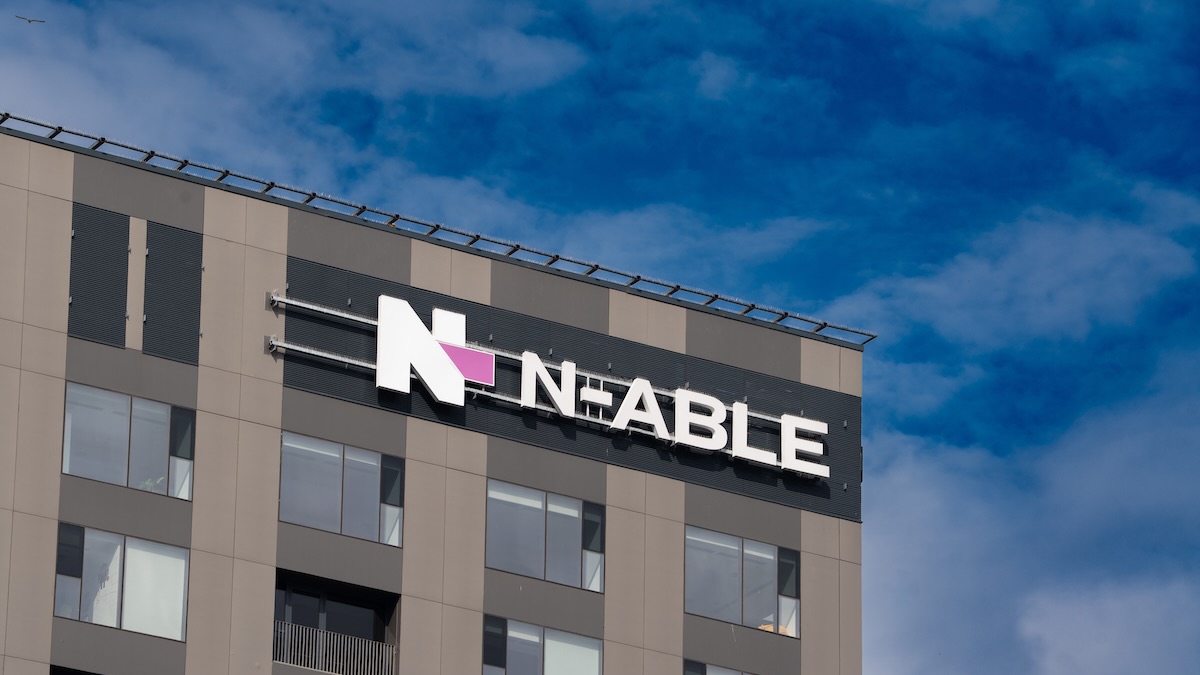
N-able has released critical security patches for its N-central platform after a security researcher published details and proof-of-concept exploits for more than 30 zero-day vulnerabilities. Threat actors have already begun scanning exposed enterprise instances.
 🛡️Cyber
Photo: SecurityWeek
Key points
- N-able released N-central 2026.4 HF2 to patch a severe batch of over 30 zero-day vulnerabilities.
- Researcher Sean Bales published the Able2Shell exploit codes without prior vendor notification.
- Security firms report active network scanning and unauthenticated endpoint probing by attackers.
Software provider N-able has scrambled to deploy emergency patches following a major security disclosure by independent researcher Sean Bales, who published technical details and proof-of-concept (PoC) code for over 30 zero-day vulnerabilities affecting the N-central platform. Grouped under the moniker Able2Shell, the flaws were released outside standard responsible disclosure channels due to a prior dispute. In response to the sudden threat, N-able temporarily took its hosted environments offline and advised on-premises users to disconnect their deployments.
The company has now rolled out N-central 2026.4 HF2, addressing the most severe bugs prioritized by exploitability and severity. The fixed list includes critical XML External Entity (XXE) issues, Server-Side Request Forgery (SSRF), Cross-Site Scripting (XSS), privilege escalation flaws, and a remote code execution vector reported by Nate Fair of Sprocket Security. While hosted environments are back online as risks are largely mitigated, on-premises administrators are urged to update immediately.
Cybersecurity firm Defused reported that automated scanning activity targeting the newly exposed attack surface began promptly on Monday, with threat actors probing anonymous agent sessions and unauthenticated remote-control endpoints. N-able sharply criticized the researcher's approach, arguing that premature publication compromises customer safety. N-able President and CEO John Pagliuca stated:
«Publishing exploit code before customers have had the chance to act doesn’t make anyone safer. It hands attackers a head start.»
Source SecurityWeek — securityweek.com/hackers-target-n-central-zero-days-as-n-able-rushe… ↗
Read next
 📈Business
Trump Administration Pressures Intel and Nvidia, Sparking Concerns Over State Control
Newly unsealed court documents reveal aggressive government pressure on Intel and Nvidia, shifting tech policy toward direct state stakes.
 🚀Space
Ukraine braces for another difficult winter amid ongoing attacks on energy infrastructure
Ukrainians are preparing for a harsh winter as continuous strikes on energy facilities and rising food prices strain households.
 🔬Science
Biomolecular analysis reveals centuries-old embalming recipes for Egyptian crocodile mummies
A study of ancient Egyptian crocodile mummies shows that embalmers used the exact same beeswax and pine resin recipe centuries apart at a single site.
 💻Tech
Astronomers Witness Rare Stellar Merger as Red Giant Devours Companion Star
An international team of researchers used advanced ground- and space-based telescopes to document a rare cosmic event where a massive red giant swallowed its smaller stel…
 🌍World
NATO Fighter Jets Scrambled After Drone Enters Latvian Airspace
Latvian armed forces deployed Alliance aircraft and interceptors following a brief border breach by an unidentified unmanned aerial vehicle.
 🔬Science
Bacterial colonies turn themselves inside out when oxygen is scarce
An international research team discovered that Neisseria gonorrhoeae bacteria respond to oxygen depletion in the colony's center by reducing cell adhesion, triggering a p…