US Disrupts North Korean Crypto Scam Network St stealing $400 Million
The US Justice Department seized cloud infrastructure used by North Korean hackers in a video-call scam that amassed over $400 million using deepfakes and social engineering.
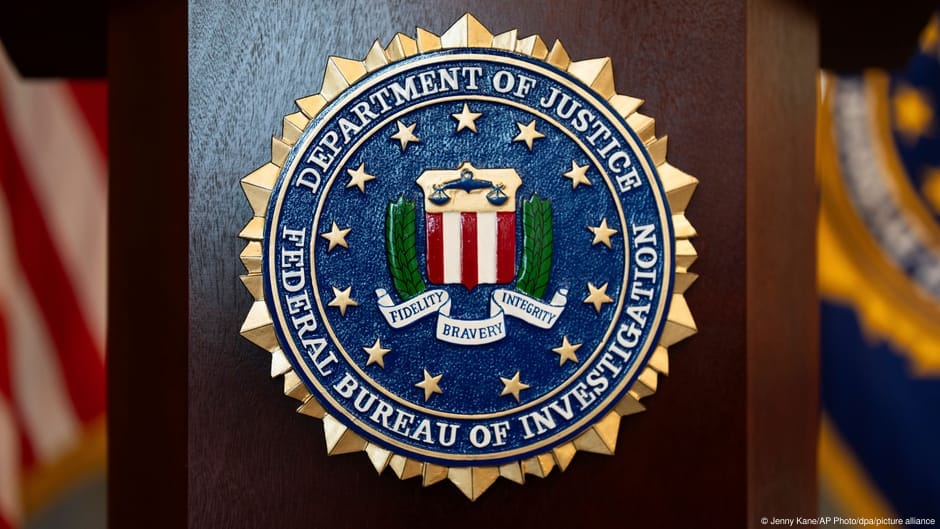 ₿Crypto
Photo: DW (EN)
Key points
- US DOJ seized cloud infrastructure of North Korean hacking cluster FaceStealer
- The video-call scam netted over $400 million over 18 months
- Hackers leveraged AI deepfakes and fake technical errors to deploy malware
The United States Department of Justice announced the seizure of cloud infrastructure operated by North Korean hackers involved in the FaceStealer video-call scam. Over an 18-month period, the cybercriminals managed to steal more than $400 million in cryptocurrency. The operation relied on federal warrants to dismantle servers used to coordinate the attacks.
Sophisticated Social Engineering Tactics
The hackers initiated contact by sending meeting invitations from accounts compromised in previous breaches. Once targets joined the video calls, operators played prerecorded clips of acquaintances or increasingly utilized AI-generated deepfakes of prominent figures in the cryptocurrency community. After faking a technical glitch, they provided a link disguised as a fix that actually installed malicious software.
- Primary Targets: Individuals working in crypto-related industries and open-source software developers.
- Evidence Recovered: The FBI seized over 900 victim webcam videos under federal warrants.
“If you can't imagine a scenario where you might fall prey to it, you are not thinking creatively enough,” said Patrick Grandy, head of the FBI's Los Angeles field office.
In a related development, US authorities secured approval to restrain assets tied to a massive breach of the Binance exchange, where hackers allegedly stole over $6 billion. Domestic agencies and private cybersecurity firms have subsequently frozen more than $2.7 billion of those funds as recovery efforts continue.
Source DW (EN) — dw.com/en/us-disrupts-north-korea-s-400-million-crypto-scam-fbi-say… ↗
Read next
 📈Business
Trump Administration Pressures Intel and Nvidia, Sparking Concerns Over State Control
Newly unsealed court documents reveal aggressive government pressure on Intel and Nvidia, shifting tech policy toward direct state stakes.
 🚀Space
Ukraine braces for another difficult winter amid ongoing attacks on energy infrastructure
Ukrainians are preparing for a harsh winter as continuous strikes on energy facilities and rising food prices strain households.
 🛡️Cyber
Russia’s hybrid war on Europe is evolving but failing to deter Ukraine support, IISS report says
A report by the IISS highlights an increase in Russian sabotage and infrastructure attacks across Europe, noting however that the strategy has failed to weaken support fo…
 🔬Science
Biomolecular analysis reveals centuries-old embalming recipes for Egyptian crocodile mummies
A study of ancient Egyptian crocodile mummies shows that embalmers used the exact same beeswax and pine resin recipe centuries apart at a single site.
 🛡️Cyber
Cybersecurity Weekly Roundup: Ransomware Fraud, ChatGPT Sites Leaks, and New Defenses
The latest threat intelligence roundup covers charges against a recovery firm co-founder, web app exposure risks, software patches, and VirusTotal's new detection feature…
 💻Tech
Astronomers Witness Rare Stellar Merger as Red Giant Devours Companion Star
An international team of researchers used advanced ground- and space-based telescopes to document a rare cosmic event where a massive red giant swallowed its smaller stel…