New Research Shows Bank of England Directors Profited from Cuban Enslavement Post-Abolition
Historical findings reveal that prominent figures in Britain's financial establishment continued to benefit from brutal forced labor in Cuban copper mines long after the British Empire outlawed slavery.
 📈Business
Photo: The Guardian — World
Key points
- Bank of England directors profited from Cuban mining using enslaved labor after UK abolition
- El Cobre supplied crucial copper for Britain's industrial expansion
- Historical research highlights deep ties between British finance and transatlantic slavery
New archival research indicates that influential British business figures, including long-serving directors of the Bank of England, reaped substantial financial rewards from enslaved labor at Cuban copper mines decades after the abolition of slavery across the British Empire. The findings underscore how deeply embedded colonial and forced-labor wealth was within the foundations of the British financial system during the Industrial Revolution.
Industrial Demand and Private Profits
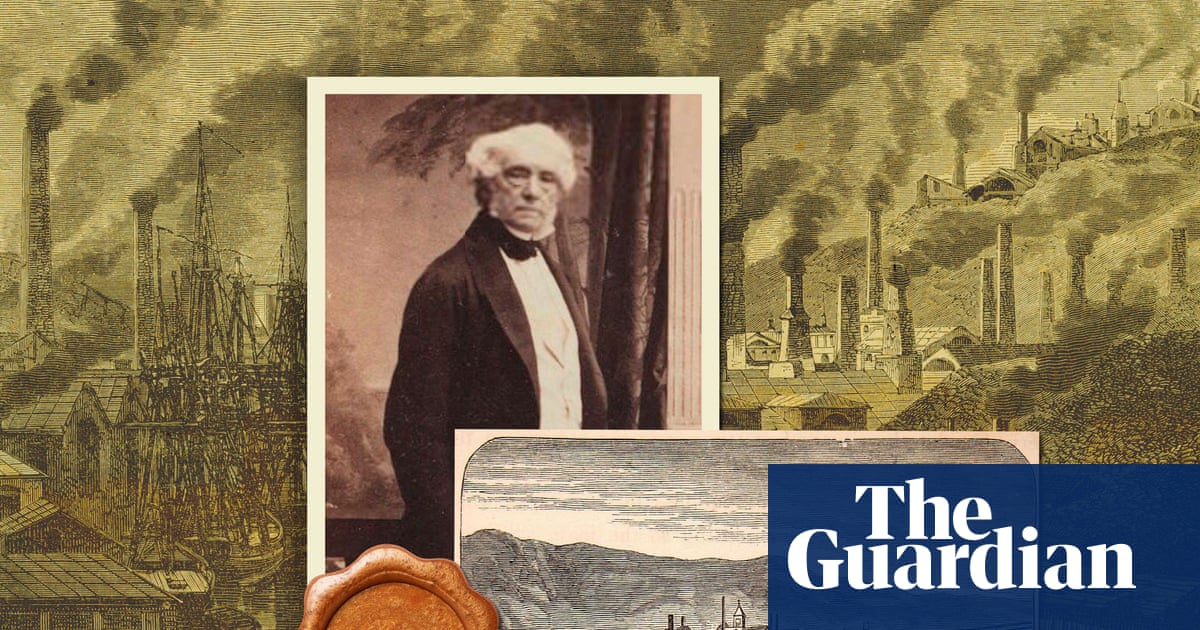
The historical investigation highlights the operations of the British-led Cobre Mining Company, which extracted copper ore at the El Cobre mine near Santiago de Cuba. By the 1840s, Cuba served as the primary foreign supplier of copper for the UK, fueling critical sectors such as railways, telegraphy, and Manchester's cotton mills. Key architects of this highly lucrative enterprise included Bank of England directors Charles Pascoe Grenfell and William Thompson, operating in a private capacity.
Even as the UK's Slavery Abolition Act came into effect following the 1807 trade ban, prominent City of London figures continued to back mining operations dependent on enslaved labor in Spanish-controlled Cuba. Historical records detail extreme brutality at the mines, while early investors secured massive returns on their capital as output scaled up to meet intense British industrial demand.
Source The Guardian — World — theguardian.com/news/2026/nov/22/bank-of-england-directors-illegall… ↗
Read next
 🚀Space
Ukraine braces for another difficult winter amid ongoing attacks on energy infrastructure
Ukrainians are preparing for a harsh winter as continuous strikes on energy facilities and rising food prices strain households.
 🛡️Cyber
Russia’s hybrid war on Europe is evolving but failing to deter Ukraine support, IISS report says
A report by the IISS highlights an increase in Russian sabotage and infrastructure attacks across Europe, noting however that the strategy has failed to weaken support fo…
 🔬Science
Biomolecular analysis reveals centuries-old embalming recipes for Egyptian crocodile mummies
A study of ancient Egyptian crocodile mummies shows that embalmers used the exact same beeswax and pine resin recipe centuries apart at a single site.
 🛡️Cyber
Cybersecurity Weekly Roundup: Ransomware Fraud, ChatGPT Sites Leaks, and New Defenses
The latest threat intelligence roundup covers charges against a recovery firm co-founder, web app exposure risks, software patches, and VirusTotal's new detection feature…
 💻Tech
Astronomers Witness Rare Stellar Merger as Red Giant Devours Companion Star
An international team of researchers used advanced ground- and space-based telescopes to document a rare cosmic event where a massive red giant swallowed its smaller stel…
 🌍World
NATO Fighter Jets Scrambled After Drone Enters Latvian Airspace
Latvian armed forces deployed Alliance aircraft and interceptors following a brief border breach by an unidentified unmanned aerial vehicle.