SpaceX Lenders Try to Block Elon Musk from Launching AI Chip Collateral Into Space
Financial backers of SpaceX's $43 billion debt package are seeking to bar the placement of pledged semiconductor collateral into orbital data centers.
 📈Business
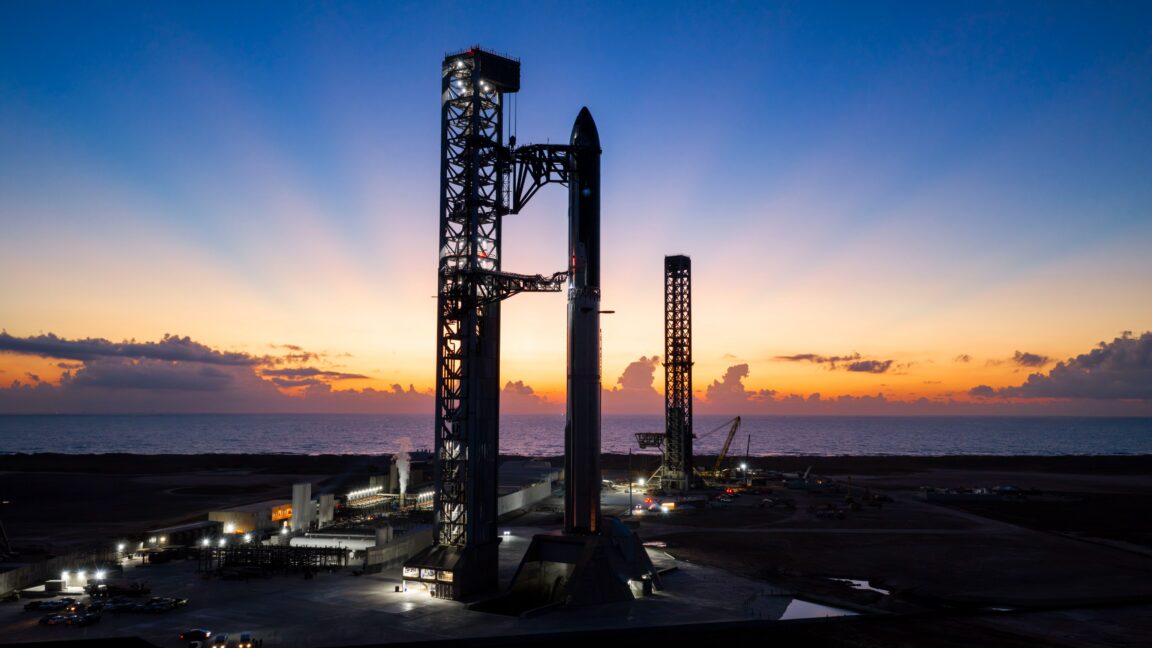
Photo: Ars Technica
Key points
- SpaceX lenders seek to prevent orbital deployment of pledged AI chips
- The $43 billion 'Project Saturn' package funds advanced Nvidia hardware leases
- Moody's and KBRA assigned investment-grade A ratings to the debt
- Institutional investors including Pimco and BlackRock backed the transaction
Elon Musk’s aerospace venture has drawn scrutiny from financial markets following a massive debt financing effort dubbed «Project Saturn». As part of the $43 billion funding package, lenders have raised concerns regarding the intended deployment of high-value hardware serving as collateral for the loans. Specifically, the dispute centers around advanced Nvidia graphics processing units designated to support artificial intelligence computing infrastructure.
The friction stems from the company founder's previously stated ambitions to establish orbital data centers cooled by the vacuum of space. Market participants worry that sending valuable semiconductors into space would prevent creditors from reclaiming and liquidating the underlying assets in the event of a borrower default. It remains uncertain whether a strict covenant barring such action was ultimately incorporated into the finalized transaction documents.
The debt was issued through a specialized framework designed to keep liabilities off SpaceX’s main balance sheet while preserving its investment-grade status. The largest portion of the package comprises a $25 billion investment-grade bond maturing in 2032, backed by multi-year equipment leases. Major institutional asset managers, including Pimco, BlackRock, Goldman Sachs, and KKR, have provided anchor commitments for the transaction.
Credit rating agencies Moody’s and KBRA assigned the debt strong investment-grade ratings in the A tier, bolstered by strict lease enforcement provisions. Industry analysts note that this financing structure highlights uncharted legal territory for investors navigating emerging asset classes at the intersection of aerospace and artificial intelligence infrastructure, setting precedents for future debt issuances in the sector.
Source Ars Technica — arstechnica.com/space/2026/11/spacex-lenders-dont-want-elon-musk-launch… ↗
Read next
 🚀Space
Ukraine braces for another difficult winter amid ongoing attacks on energy infrastructure
Ukrainians are preparing for a harsh winter as continuous strikes on energy facilities and rising food prices strain households.
 🛡️Cyber
Russia’s hybrid war on Europe is evolving but failing to deter Ukraine support, IISS report says
A report by the IISS highlights an increase in Russian sabotage and infrastructure attacks across Europe, noting however that the strategy has failed to weaken support fo…
 🔬Science
Biomolecular analysis reveals centuries-old embalming recipes for Egyptian crocodile mummies
A study of ancient Egyptian crocodile mummies shows that embalmers used the exact same beeswax and pine resin recipe centuries apart at a single site.
 🛡️Cyber
Cybersecurity Weekly Roundup: Ransomware Fraud, ChatGPT Sites Leaks, and New Defenses
The latest threat intelligence roundup covers charges against a recovery firm co-founder, web app exposure risks, software patches, and VirusTotal's new detection feature…
 💻Tech
Astronomers Witness Rare Stellar Merger as Red Giant Devours Companion Star
An international team of researchers used advanced ground- and space-based telescopes to document a rare cosmic event where a massive red giant swallowed its smaller stel…
 🌍World
NATO Fighter Jets Scrambled After Drone Enters Latvian Airspace
Latvian armed forces deployed Alliance aircraft and interceptors following a brief border breach by an unidentified unmanned aerial vehicle.