NATS Chief Rejects Resignation Calls Following Major UK Air Traffic Control Outages
NATS CEO Martin Rolfe has brushed off demands to step down after two technical failures in September disrupted flight operations across the UK.
 📈Business
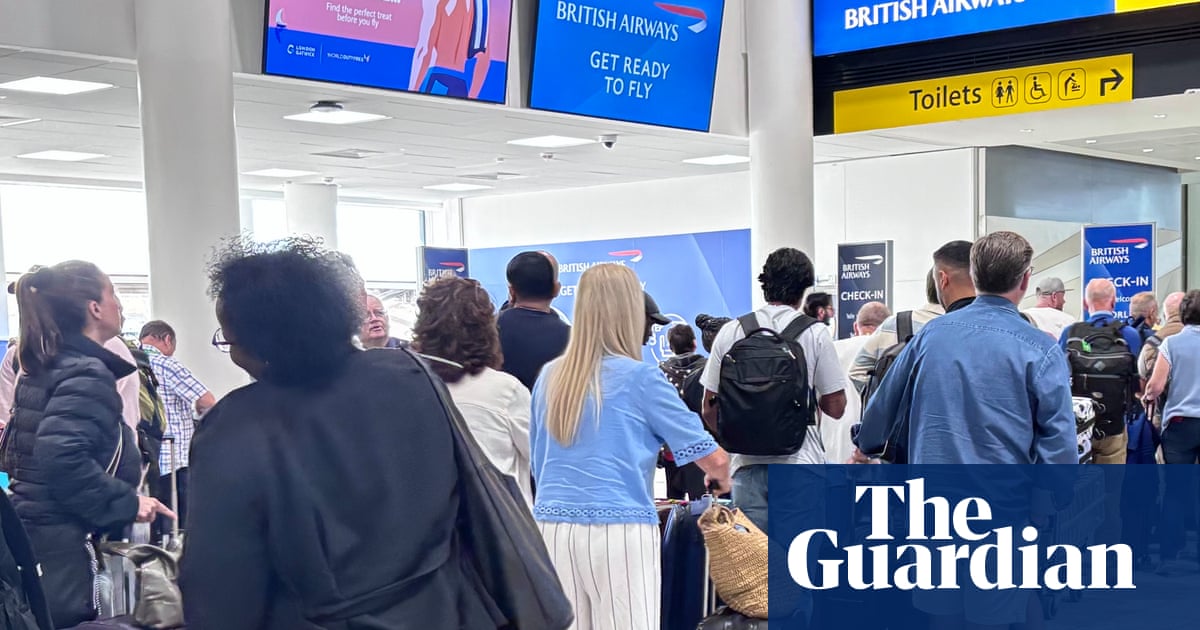
Photo: The Guardian — Business
Key points
- NATS CEO Martin Rolfe refused to step down following two major September service outages.
- Airlines incurred tens of millions of pounds in costs due to system failures across UK control centers.
- The Civil Aviation Authority will submit a formal report on the incidents to Transport Secretary Heidi Alexander in early 2027.
Martin Rolfe, the Chief Executive of the UK's National Air Traffic Control Services (NATS), has stated he has no intention of resigning despite widespread disruption caused by two major system failures in September. Speaking at the Airlines 2026 conference in London, Rolfe acknowledged becoming "the most disliked person in the UK" following the incidents, while emphasizing his focus on managing critical infrastructure.
Technical Failures and Financial Impact
The operational disruptions severely affected both NATS control facilities during September. The first outage on September 8 disrupted flight control systems, resulting in financial losses estimated by airlines at tens of millions of pounds. A subsequent technical failure on September 21 at the Prestwick control center in Scotland led to the cancellation of more than 200 flights.
The series of outages prompted renewed demands for Rolfe's departure, notably from Ryanair Chief Executive Michael O'Leary. Rolfe dismissed these calls, stating that while the specific glitches experienced in September had been resolved, no administrator could guarantee that complex automated systems would remain entirely fault-free in the future.
Regulatory Review and Government Response
The Civil Aviation Authority (CAA) is currently carrying out an inquiry into the system failures, with a report due to be submitted to Transport Secretary Heidi Alexander in early 2027. Alexander addressed the conference, describing the outages as unacceptable and signaling that the government would ensure strict operational lessons are implemented once findings are finalized.
Source The Guardian — Business — theguardian.com/business/2026/nov/11/air-traffic-control-nats-marti… ↗
Read next
 🌍World
Risks of child marriage in Iran exacerbated by war and economic hardship
Human rights advocates warn that ongoing conflict and escalating financial hardship in Iran are putting more young girls at risk of early and forced marriage.
 🔬Science
New soil testing method helps farmers prevent herbicide crop damage
Adelaide University researchers show that DGT soil testing more accurately predicts herbicide carryover risks, safeguarding future crop yields.
 🤖AI
Unlocking Mind Mysteries: What Bionic Limbs Reveal About Brain Plasticity
MIT Technology Review opens nominations for Innovators Under 35 as new biotech research explores how bionic prosthetics interact with the human mind.
 💻Tech
Grand Theft Auto VI developers overhaul post-game structure for a narrative-driven ending
Rockstar North producer Rob Nelson explains why GTA VI breaks from franchise tradition by tying its open-world post-game exploration to a narrative time-jump mechanic.
 🚀Space
Ukraine braces for another difficult winter amid ongoing attacks on energy infrastructure
Ukrainians are preparing for a harsh winter as continuous strikes on energy facilities and rising food prices strain households.
 🛡️Cyber
Russia’s hybrid war on Europe is evolving but failing to deter Ukraine support, IISS report says
A report by the IISS highlights an increase in Russian sabotage and infrastructure attacks across Europe, noting however that the strategy has failed to weaken support fo…