The Growing Wave of Bans: Why Courts and Schools Are Rejecting AI Glasses
Courts, schools, and public venues worldwide are increasingly banning camera-equipped smart glasses due to growing privacy and security concerns.
 🤖AI
Photo: Engadget
Key points
- Courts and schools globally are banning camera-equipped smart glasses
- Pakistan's Punjab imposed restrictions following complaints of illegal surveillance
- Paris prosecutors previously opened investigations over non-consensual filming incidents
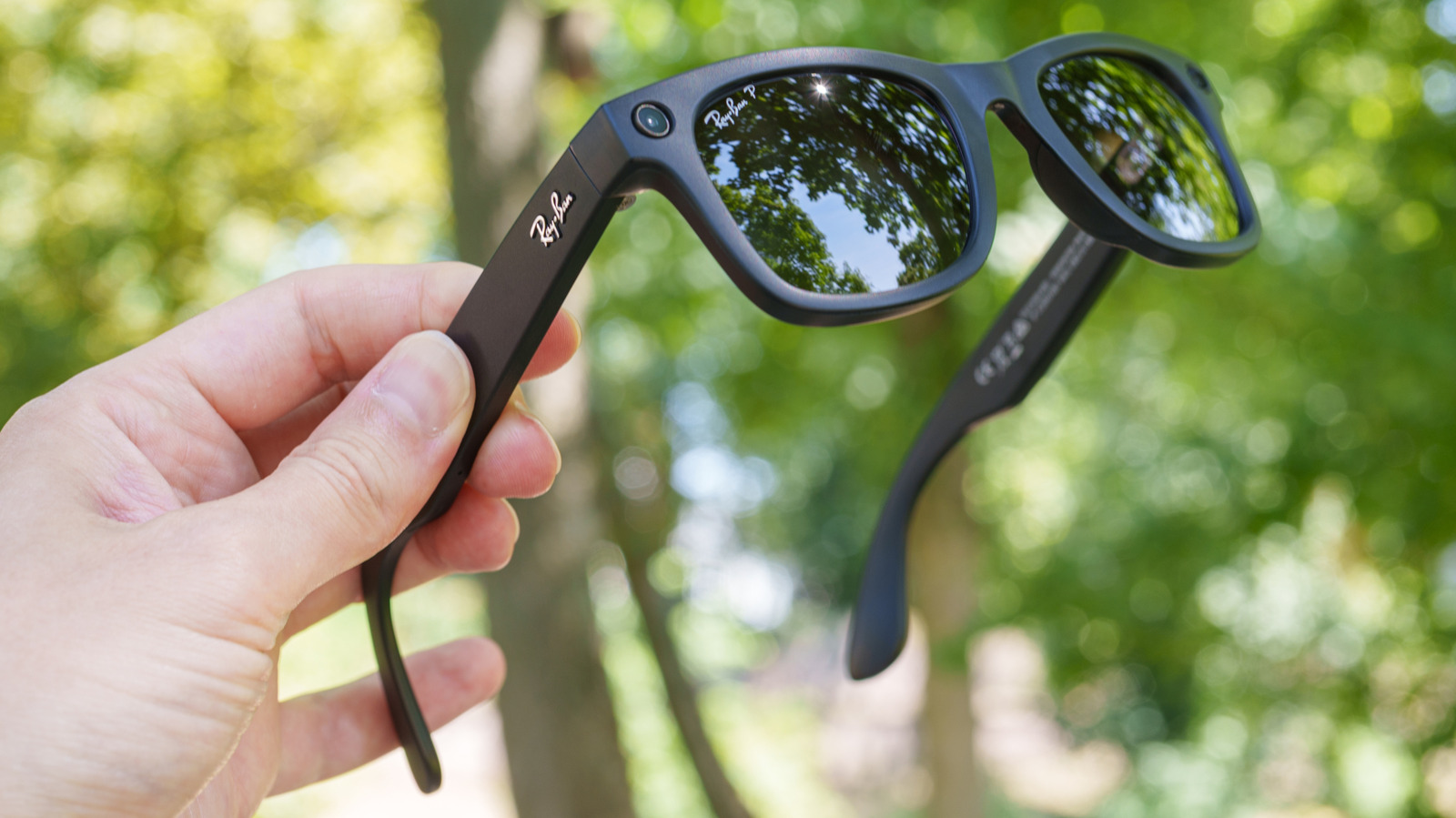
Courts, educational institutions, and public facilities worldwide are implementing strict bans on camera-enabled smart glasses. Driven by safety and privacy concerns, these restrictions reflect a mounting uneasiness regarding wearable recording technology. While no country has enacted a permanent nationwide prohibition, a patchwork of localized bans continues to expand rapidly.
A notable example occurred in Pakistan's Punjab province, where authorities imposed a restriction on the sale and use of hidden recording devices following complaints regarding illegal surveillance and blackmail. Judicial systems are also taking a firm stance: New York state and local courts require visitors to surrender smart glasses at the checkpoint—regardless of whether they feature prescription lenses. Similar protocols have been adopted in England and Wales, as well as during high-profile legal proceedings in Los Angeles.
The education sector is following suit, with schools in Western Australia banning the devices for students and staff, while standardized testing organizations explicitly prohibit them during exams. Furthermore, military bases, UK cinemas, and cruise ships have established targeted limitations. Although manufacturers emphasize built-in recording indicators, incidents such as police investigations in Paris regarding non-consensual filming demonstrate that privacy risks remain a tangible issue for bystanders.
Source Engadget — engadget.com/2313707/ai-glasses-banned-places-list-keeps-growing/ ↗
Read next
 📈Business
Trump Administration Pressures Intel and Nvidia, Sparking Concerns Over State Control
Newly unsealed court documents reveal aggressive government pressure on Intel and Nvidia, shifting tech policy toward direct state stakes.
 🚀Space
Ukraine braces for another difficult winter amid ongoing attacks on energy infrastructure
Ukrainians are preparing for a harsh winter as continuous strikes on energy facilities and rising food prices strain households.
 🛡️Cyber
Russia’s hybrid war on Europe is evolving but failing to deter Ukraine support, IISS report says
A report by the IISS highlights an increase in Russian sabotage and infrastructure attacks across Europe, noting however that the strategy has failed to weaken support fo…
 🔬Science
Biomolecular analysis reveals centuries-old embalming recipes for Egyptian crocodile mummies
A study of ancient Egyptian crocodile mummies shows that embalmers used the exact same beeswax and pine resin recipe centuries apart at a single site.
 🛡️Cyber
Cybersecurity Weekly Roundup: Ransomware Fraud, ChatGPT Sites Leaks, and New Defenses
The latest threat intelligence roundup covers charges against a recovery firm co-founder, web app exposure risks, software patches, and VirusTotal's new detection feature…
 💻Tech
Astronomers Witness Rare Stellar Merger as Red Giant Devours Companion Star
An international team of researchers used advanced ground- and space-based telescopes to document a rare cosmic event where a massive red giant swallowed its smaller stel…